Most travellers heading for the Red Centre fire off the same question to me right from the start: “Do kids have to stump up for the Uluru park pass or is it only for adults?” Fair enough question, especially if we are looking at a family holiday that involves trekking half the country. I’m Paul Beames, the bloke behind Get Lost Travel Group, and I’ve spent far too many years showing people the ropes in the dusty, sun-baked, and downright magical heart of Australia – Uluru-Kata Tjuta National Park. Whatever your travel style – from a family haul to a romantic getaway, or maybe one of our Uluru Tours with Autopia Tours, Wildlife Tours, or Wayoutback Tours – knowing who pays and how much can be a major budget-breaker or just about drive you round the bend.
Getting to Know Uluru and the Entry System
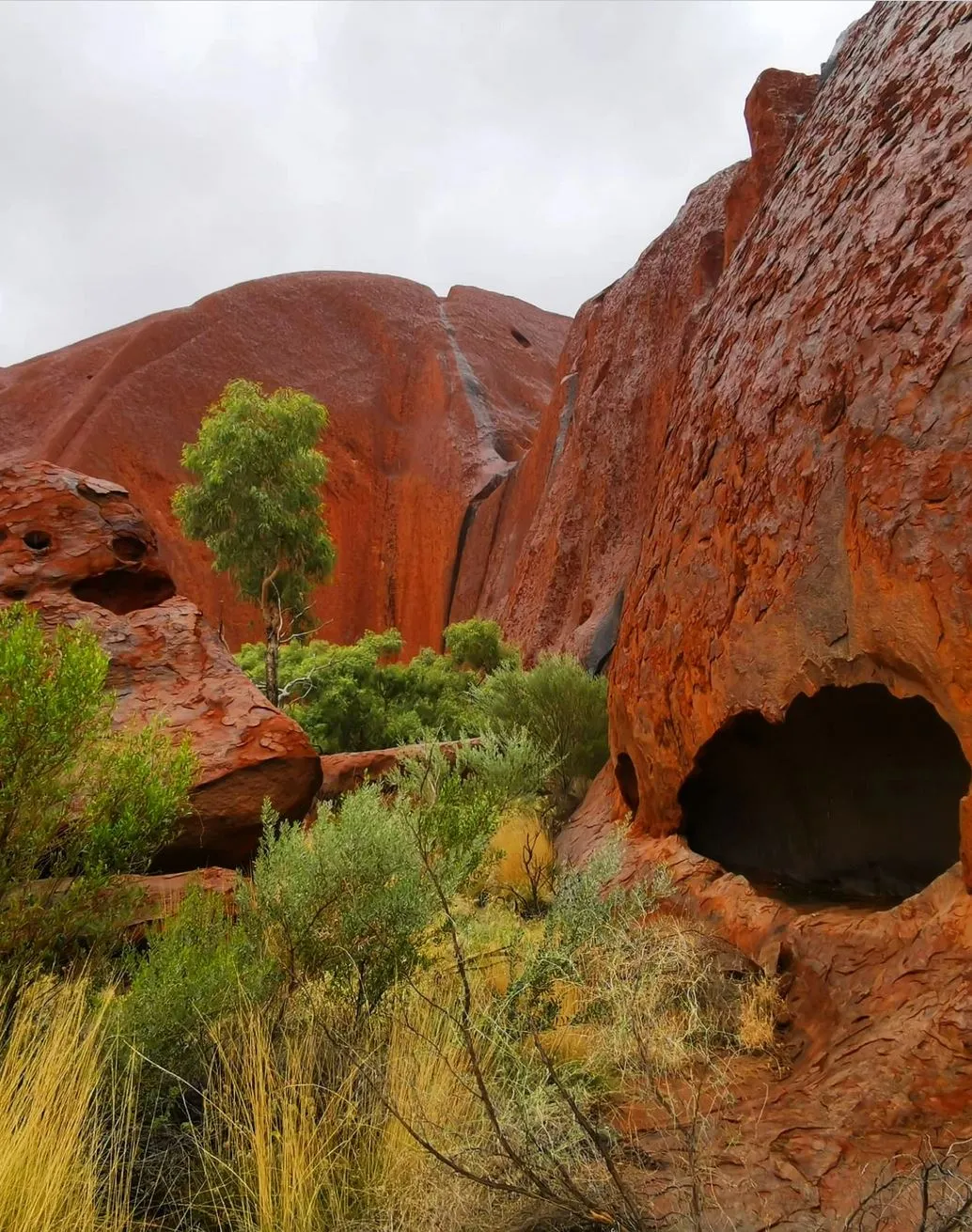
Let’s be honest, if you’ve never been to Uluru before, here’s the quick low down: it’s not just a rock, and the park pass is more than just a fee to get in. It’s your ticket to a World Heritage-listed landscape with a whole heap of deep spiritual, cultural and environmental significance. Think of it as your pass-key to 327,000 hectares of Aussie desert that the Anangu people have called home for tens of thousands of years.
For international visitors, the Uluru-Kata Tjuta National Park Pass is pretty much a must-have if you want to get in. You can buy it online beforehand, usually through the Parks Australia website – although the whole process can be a bit of a pain. The website likes to resize its windows mid-purchase, the text can be tiny, and if you’re browsing in ‘light mode’ on your phone, you’ll be squinting like you did on your flight over. That being said, the whole user experience has improved a great deal in recent times, and they’ve got all the digital content sorted to keep your data secure.
Pro tip: lots of Uluru Tours – like the ones run by Autopia Tours or Wildlife Tours – include the pass price in the cost of your tour, so you don’t need to worry about sorting it out online while you’re stuck in the sun in Alice Springs.
What the Park Pass Actually Covers
The Uluru park pass covers more than just setting foot near the rock. It gives you access to:
- Cultural centres and exhibitions
- Ranger-led walks and talks (free once inside)
- Viewing platforms for sunrise and sunset
- Kata Tjuta (The Olgas) walking tracks
- Maintenance and conservation funding
And, importantly, it funds the partnerships between Parks Australia and the Traditional Owners, so cultural content and Anangu voices are at the forefront of how the site is shared.
Why Kids Go Free — And What That Means
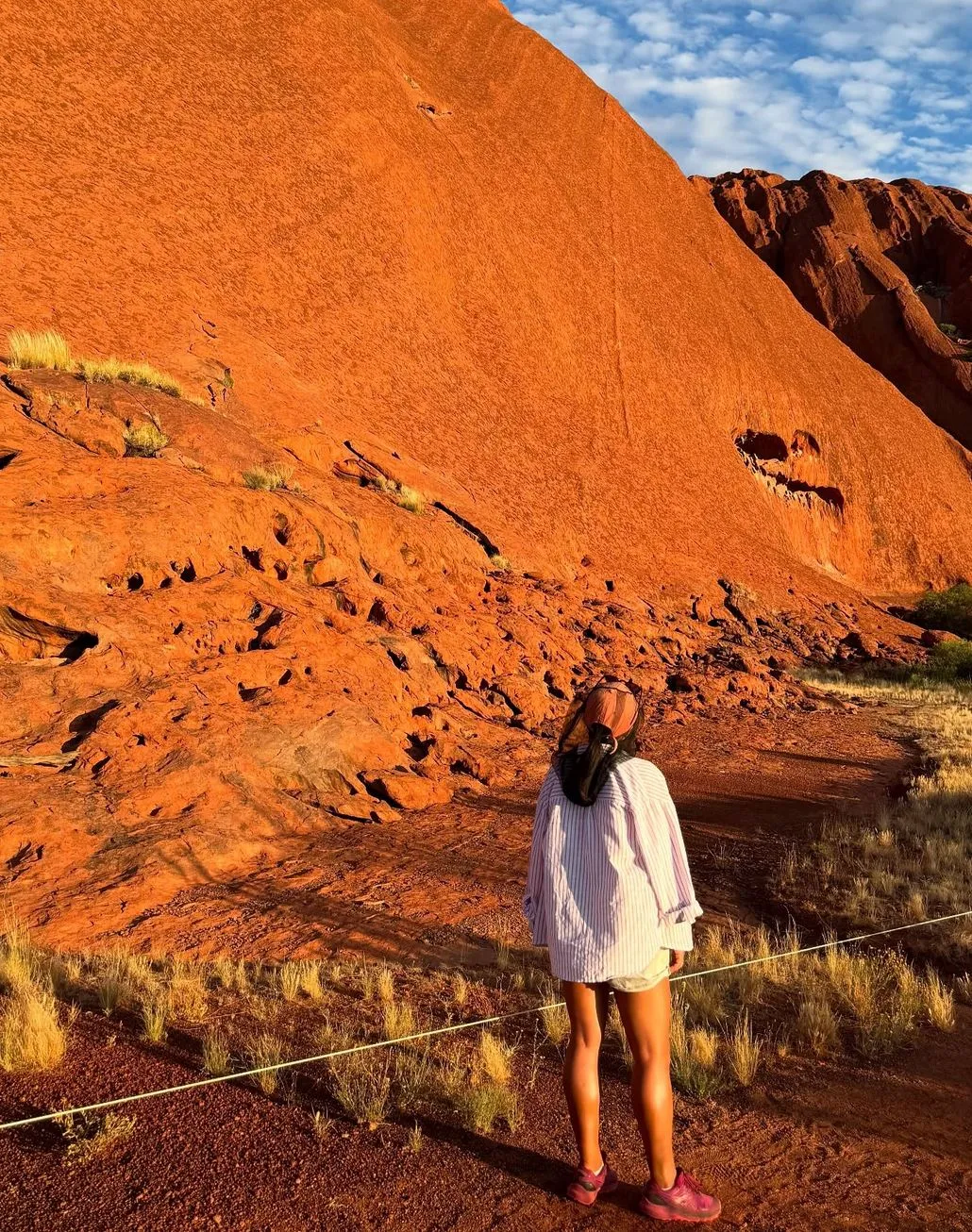
Kids don’t pay for the Uluru park pass because Parks Australia wants to encourage younger generations to learn, explore and connect with Country. In a way, it’s an investment in future custodianship — a way to make sure the next wave of travellers understands this land isn’t just another photo op.
For parents, it’s also a welcome break from the endless costs that come with travel. Whether you’re budgeting for fuel, flights or accommodation, every dollar counts. It’s a chance to focus on making memories rather than arguing over ticket prices.
From what I’ve seen, how families handle this varies widely. Some parents encourage kids to listen deeply to Anangu stories; others treat the trip as a giant outback adventure. Both approaches can work — though if your parenting style leans more “hands-off”, it’s worth chatting through what kind of behaviour is respectful before you roll into the Cultural Centre.
Lessons in Family, Respect and Travel
Travel brings out the best — and sometimes the worst — in families. I’ve met travellers whose parent–child relationships were tight as a drum and others navigating the heavy stuff — family estrangement, inheritance cases or even emotional baggage that rivals their checked luggage. Uluru has a way of shaking the trees. Standing in front of something so old and sacred makes you think about how you were raised, how you raise your own and what stories you’ll leave behind. It’s not therapy, but it’s close. And speaking of mental health, I’ve seen people find peace here that no couch could ever match.
Buying, Booking and Budgeting For Your Park Pass

Right, let’s get practical – how to get hold of that Uluru park pass without losing too much of your sanity. You can get it:
- from the Parks Australia website – no problem, just throw your card details in there and away you go, although be aware if your internet is being a bit dodgy (which mine often is in the middle of the desert), your browser might die on you and you’ll be left hanging
- at the Cultural Centre inside the park – much more straightforward\
- through most Uluru tour operators – a lot of these will do the legwork for you, like Wayoutback Tours
The digital payment system is super simple – just swipe or pay with your phone, but this can lead to a bit of frustration if your internet drops out as it so often does in the Outback – I’ve seen plenty of folks stuck in Yulara Resort under the blistering sun desperately trying to refresh the page for what feels like an eternity – it’s a sight not for the faint of heart.
If you’re watching the pennies, though – you know, students on a gap year, or trying to balance work and training commitments – don’t worry too much about the cost. You pay for the pass, and most of the attractions inside are actually free. You don’t need to go all out with the fancy stuff to enjoy all the amazing things Uluru has to offer
Comparing Park Pass Inclusions
| Inclusion | Covered by Park Pass | Extra Cost |
| Entry to Uluru–Kata Tjuta NP | ✅ | – |
| Ranger-guided walks | ✅ | – |
| Cultural Centre access | ✅ | – |
| Camel rides / scenic flights | ❌ | Yes |
| Accommodation | ❌ | Yes |
| Private tours (Autopia / Wayoutback) | ✅ | Usually included |
When planning, remember Uluru Tours often package the essentials — pass, transport and guiding — in one neat bundle. Easier and sometimes cheaper than going solo.
Travelling Child-Free — Yes, It’s a Thing Out Here Too
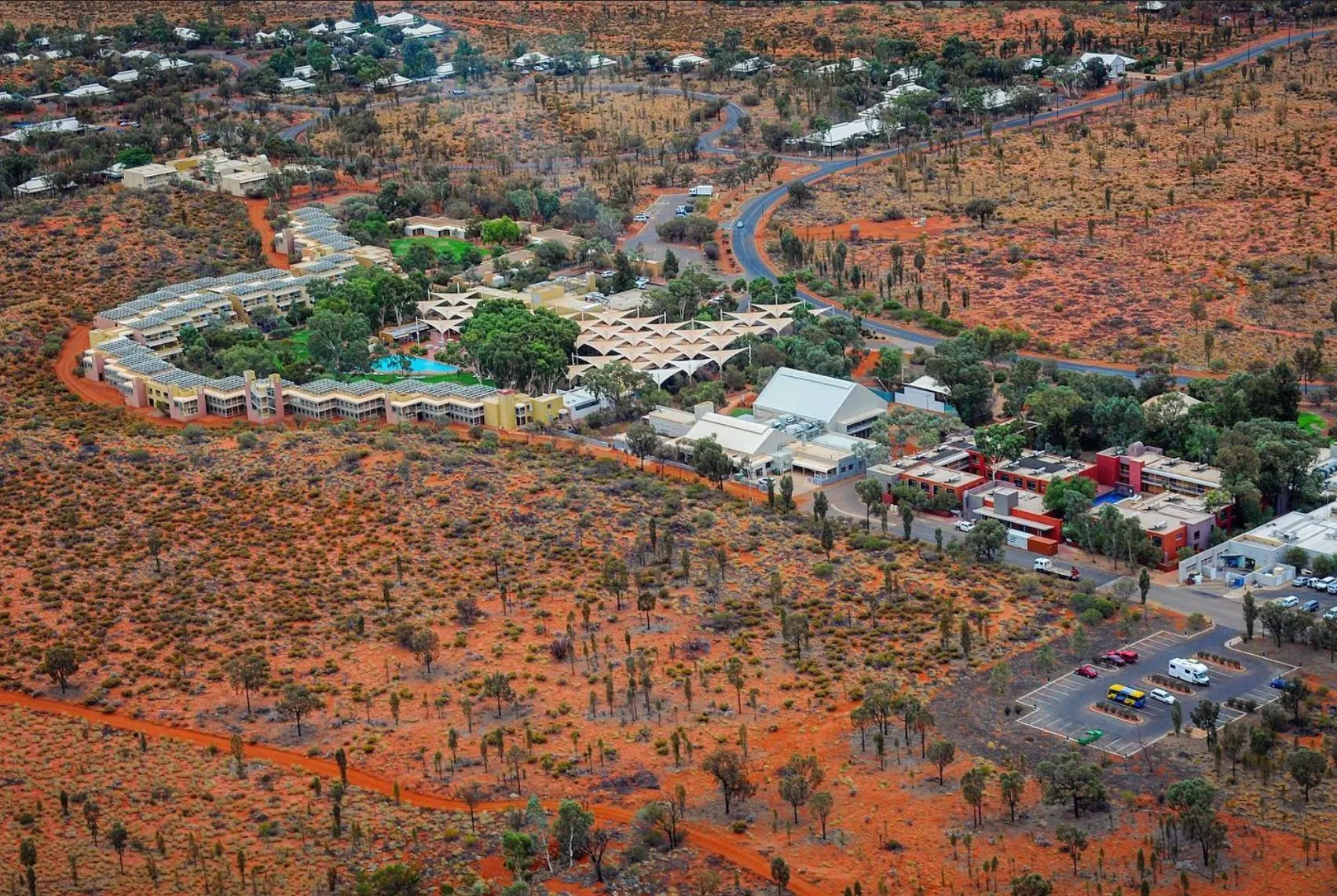
Not everyone brings the kids along, and that’s okay. Plenty of people plan their child-free holiday around the Red Centre, using Uluru as part of a bigger circuit that includes spa stays, adult-only resorts and boutique hotels in Alice Springs or Kings Canyon.
I’ve met honeymooners ticking Uluru off their list before flying to an Australian island like Hamilton or Hayman — blending the magic of the island with desert sunrises. Others choose to come here for a romantic getaway precisely because it’s quiet and moving.
For couples, Uluru can be the perfect start or finish to a honeymoon destination. Some even host adults-only weddings or intimate child-free celebrations under the stars at Ayers Rock Resort — the red dust adding a touch of raw romance you won’t find at a city venue.
Families, Feelings and Finding Balance
Now back to families. Travel often mirrors life — and no two families do it the same way. I’ve guided groups where kids ran barefoot and curiously through spinifex and others where every step was negotiated like a trade deal. Sometimes it’s about family therapy, sometimes just survival.
Research into parent–child relationships and children’s voices in travel decision-making shows kids who feel included get more from the experience. Uluru’s a great place to test that — let them hold the map, choose the walk or spot wildlife.
You’ll likely bump into a ranger talk that explains the cultural meaning of Uluru’s features. These moments have a way of grounding everyone — even the most restless tween suddenly quiets when they hear an Anangu guide speak of Tjukurpa (the Creation Law).
And if you’re a blended family or dealing with family estrangement, remember the land doesn’t judge. Uluru offers space — literal and emotional — to breathe.
Practical Travel Tips From the Road
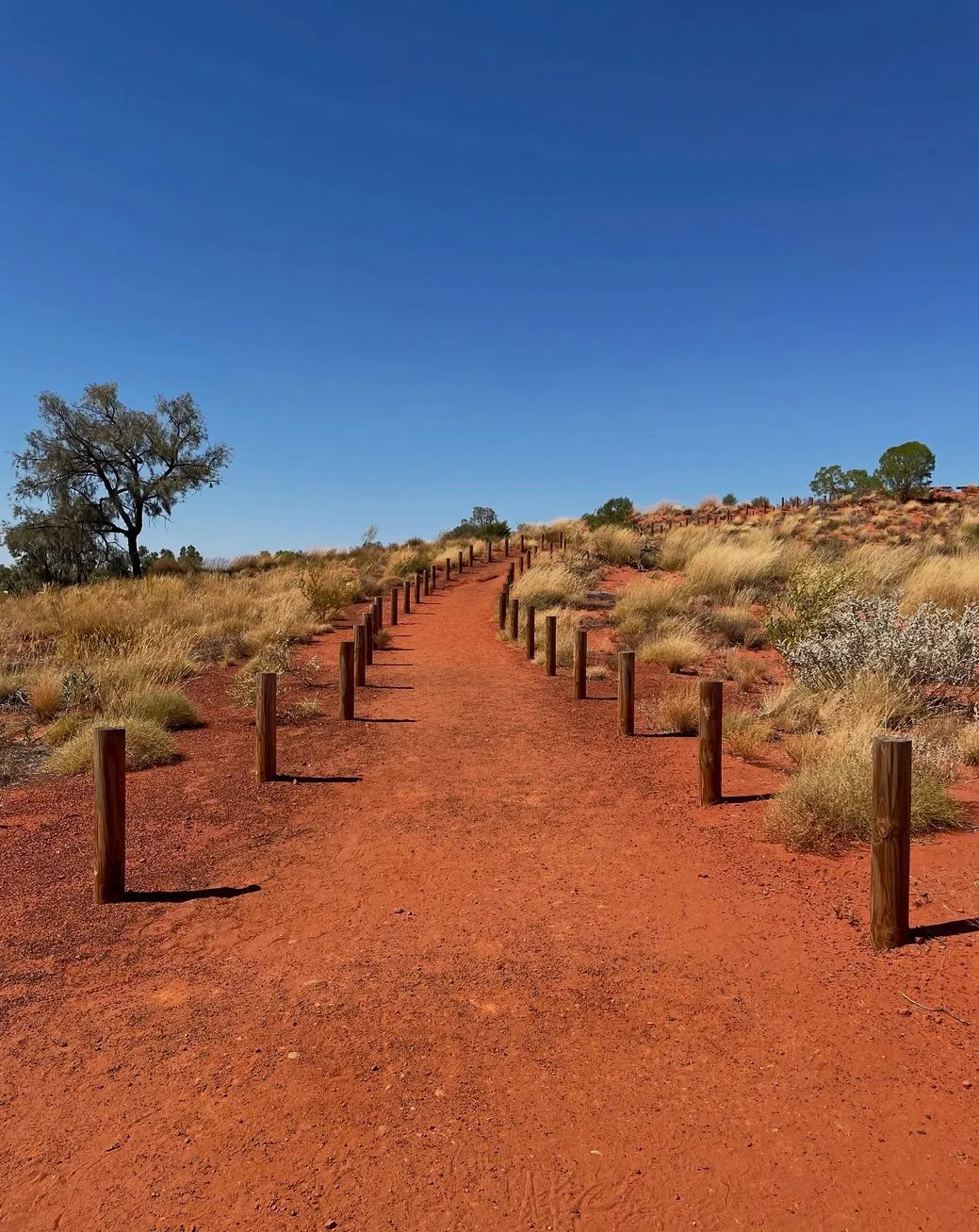
A few hard-earned nuggets:
- Check your pass dates — it’s valid for three consecutive days, but you can extend it for a small fee if you ask at the gate.
- Arrive early for sunrise; the car park fills faster than a child-free restaurant on Valentine’s Day.* Be croc-wise and sun-smart — water, hat, sunscreen, repeat.
- Carry your pass digitally — no need to dig through your bag at the gate.
- Respect closures — some areas are closed for cultural or weather reasons.
- And if you’re with us on one of our Uluru Tours through Autopia Tours or Wildlife Tours, we’ll take care of most of this for you — park entry and making sure you’re not standing on sacred ground when you shouldn’t be.
When the Outback Leaves Its Mark
People don’t often expect this – Uluru has a way of changing you, not in some far-out magical way, but in those quiet moments when you’re not looking. You might be sitting there watching the sunset turn the rock from a dull ochre to a deep crimson, or huddled with your family watching as the shadows start to creep up the face of Kata Tjuta.
I’ve seen grown adults get choked up, kids go mumbly silent, and tough blokes break down and start talking about the stuff they’ve been trying to keep buried for years – heartache, emotional abuse, regret, gratitude. The land has a way of pulling all that stuff out of people. That’s probably why so many travellers swear that their trip here worked some kind of emotional magic on them.
If you’re willing to let it happen, the Red Centre can do something that no therapist or family get-together ever could – it can put you in your place, remind you of how small you are, and how lucky you are.
Final Thoughts – What’s Really Important
Whether you’re on a grown-ups-only holiday, trying to wrangle the kids or just wandering solo, Uluru makes it very clear that travel isn’t about ticking boxes off a list – it’s about the connections you make. Between the people you’re with, the place you’re in, and the stories that keep getting passed down. Even if they are frayed in places.
If there’s one thing I’ve picked up from years of wandering around this place, it’s this – you don’t walk away from Uluru unchanged. You carry it with you, like a bit of red dust stuck on your boots or a tune that never quite fades away.
Got a different take on the Uluru park pass? Leave a note in the comments below – I’m always updating the old field notes and love swapping stories with other travellers.
FAQ
How Much Does the Uluru Park Pass Cost For Adults?
It’s currently $38 AUD per adult, and that gets you in for three days. You can pay a bit extra to extend it.
Do Kids Need A Park Pass?
No – if you’ve got kids under 18, entry is free. That way, they can join in the fun without breaking the bank.
Can I Buy The Park Pass When I Arrive?
Yeah, you can – though it’s a lot easier to just buy it online if your internet connection is being cooperative. Most of the Uluru Tours will factor it in anyway.
Is There A Discount For Families Or Groups?
There sure is—a family pass (two adults plus the kids) will set you back $76 AUD and covers everyone for three whole days.
Does My Tour Company Include The Park Pass In Their Package?
Chances are, yes – Autopia Tours, Wildlife Tours and Wayoutback Tours all usually factor the park pass in. Check before you book.