At Cosmetic Tattoo Melbourne Studio, we get asked about fine line tattoos almost daily—and for good reason. These delicate designs are trending hard, but why are fine Line tattoos so Expensive?
Fine line tattoos are everywhere right now, capturing attention for their subtlety and elegance. Scroll through Instagram, and you’ll see them on collarbones, wrists, and ribcages—barely-there botanicals, minimalist names, and micro florals so crisp they look Photoshopped. But when you finally go to book one at a tattoo shop, the quote might leave you blinking: how can something so small cost so much?
Let’s unpack it. Whether you’re thinking of getting a fine line tattoo or just curious about the pricing, here’s the real reason fine line tattoos aren’t cheap—and why that’s actually a good thing.

What makes this style unique?
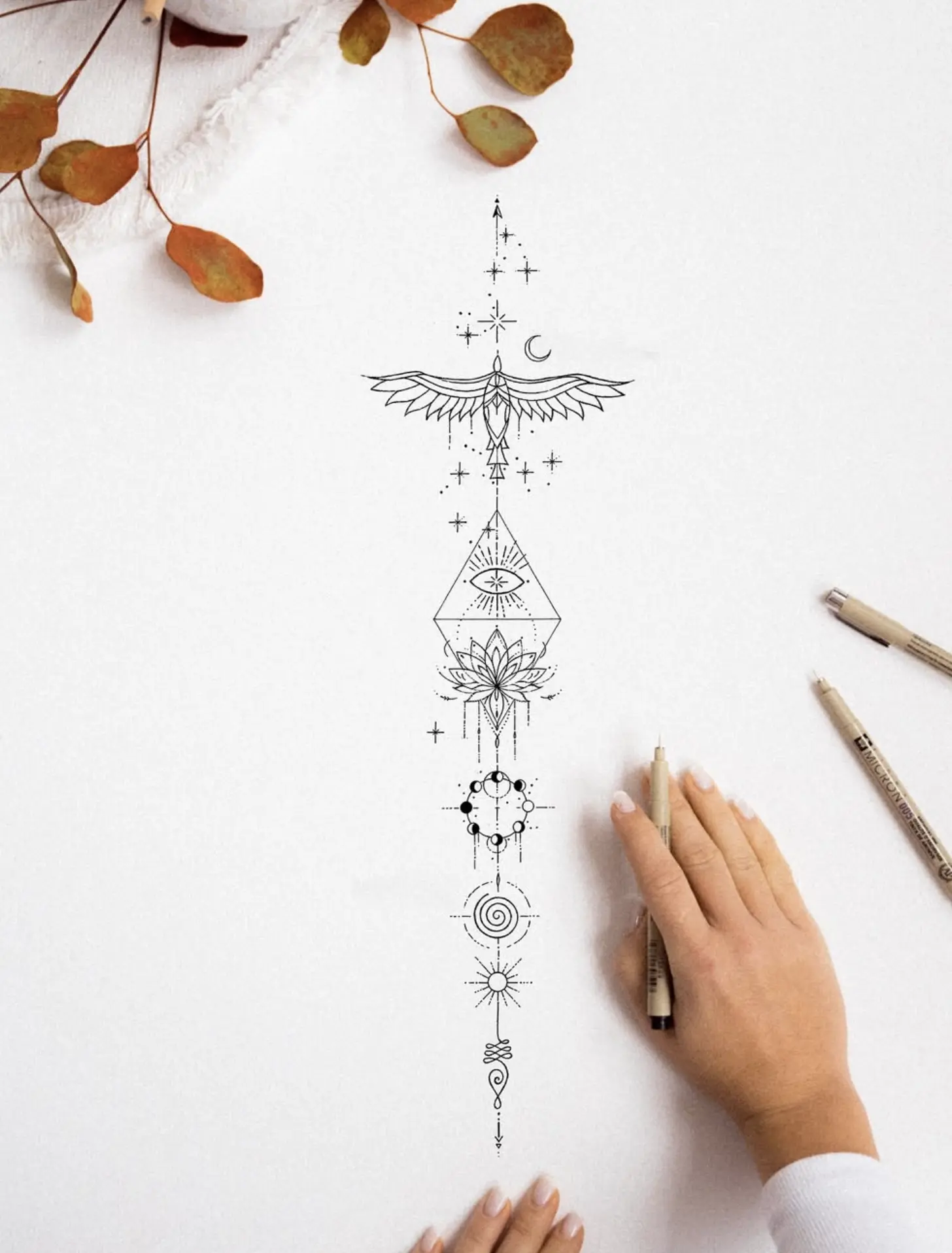
We’re not just talking about tattoo size here. Fine line tattooing is a specific style of tattooing that relies on single needles or ultra-thin needle groupings to create crisp, hairline strokes with minimal blowout.
Unlike traditional tattoos (which use larger needle groupings for bold, saturated lines and shading), fine line work is:
- More delicate and precise
- Less forgiving of mistakes
- Prone to quicker fading if not executed properly
Translation? You’re paying for an experienced tattoo artist’s ability to make something look simple when it’s anything but.
“It’s like comparing a ballpoint doodle to a pen-and-ink architectural drawing. The margin for error is microscopic.”
Time, technique, and training
Fine line artists often have backgrounds in illustration, design, or cosmetic tattooing procedures. They invest years learning how to control their pressure, hand speed, depth, and ink flow—because unlike bold-line traditional styles, you can’t just “go over it” if something’s off.
This high level of control means sessions often take longer than you’d think for such a small or delicate design.
Here’s a quick comparison of estimated session times:
| Style of Tattooing | Approx. Tattoo Size | Approximate Time |
|---|---|---|
| Regular script | 5cm | 30–45 mins |
| Fine line script | 5cm | 60–90 mins |
| Traditional symbol | 3x3cm | 20–30 mins |
| Fine line floral motif | 3x3cm | 45–60 mins |
Plus, this style requires:
- Frequent needle changes
- Slower linework pacing
- Ultra-clean execution to avoid blowout or fuzzy healing
So if your artist spends a bit over time on a beautiful tattoo with a detailed design, know it’s part of delivering quality.
Why pro setups aren’t cheap
Think tattoo shops are just paying for rent and ink? Think again.
High-end fine line tattooing demands:
- Single-use needles and grips
- Premium quality ink that holds under thin-line tension
- Medical-grade surface barriers and wrapping supplies
- Sterilisation equipment or autoclave maintenance
- Adjustable lighting and ergonomic furniture
Tattoo clean protocols are essential. You’re not just paying for the art piece. You’re paying for the studio to run safely, legally, and ethically—especially in Australia where licensing is strict.
“If your artist isn’t charging much, ask what they’re cutting corners on.”

Finicky healing needs expert touch-ups
Here’s something most people don’t tell you at a consultation:
Fine line tattoos fade faster.
That’s because there’s less ink saturation in the skin. And if your aftercare isn’t spot-on (hello, accidental sun exposure or picking), lines can soften, blur, or drop out entirely.
That’s why:
- Most fine line artists include a touch-up in the price, or
- Offer discounted tweaks within 6–8 weeks for complete healing
You’re not just paying for the tattoo on the day. You’re paying for the artist’s commitment to how it looks once healed—with proper care.
Studio rent isn’t cheap
There’s a perception that tattoo artists charge a lot because they’re cashing in on a trend. But that ignores the reality:
- Many artists are self-employed and pay GST, super, and studio rent
- They spend unpaid hours consulting, drawing, and emailing clients
- They take on physical strain from hunching over small or detailed pieces all day
- They often work weekends, nights, and travel for guest spots or expos
According to the 2025 Tattoo Industry Report, over 68% of Australian tattoo artists work 6+ days per week, and 42% say burnout is their biggest career concern.
That $250 fine line tattoo isn’t just about ink—it’s about time, energy, and sustainability.

How to tell if the price is fair
Here’s what to look for when getting an accurate quote:
Typical fine line tattoo price guide in Australia (2025):
- Minimum cost: $150–200 (even for micro tattoos)
- Hourly rate: $180–300/hour for an experienced artist
- Touch-up: Included or $50–80 if booked within 2 months

Factors for tattoos that impact pricing:
- Tattoo size and placement
- Complexity of design (e.g. detailed tattoos vs. simpler types of tattoos)
- Whether it’s a custom or flash design
- Studio location—especially if it’s in a tourist location or big city
- Artist’s experience and reputation
Red flag: If someone’s offering a complex, custom fine line piece for $80? That’s a classic example of cheap tattoos that may come with higher long-term costs.
Final thoughts
Fine line tattoos look soft and effortless, but the skill behind them is anything but. When you book with an experienced tattoo artist who values hygiene, craftsmanship, and healing outcomes, the price reflects the care behind every single line.
My advice? Don’t bargain-hunt with your skin. Choose someone who’ll take the time to get it right—and who values their work enough to charge a fair day rate or flat rate for their services.
FAQ
Are fine line tattoos more painful?
Not necessarily. Because the needle is smaller and doesn’t pack as much ink, some people find them gentler. But they often take extra time, which can add to the discomfort.
Do fine line tattoos fade faster?
Yes. With less ink saturation, they can soften quicker—especially on high-friction or popular locations like fingers, ribs, or ankles.
Can any tattooist do fine line work?
Technically, yes. But not everyone should. This style demands more control, experience, and a light hand. Always check their healed work, especially if you want feminine tattoos or cool designs with precise detail.
Is a touch-up always needed?
Not always, but it’s common. Most good tattoo shops will check the healed result and offer a free or discounted touch-up within a minimum range of 6–8 weeks.
Can I get a fine line tattoo over an existing one?
It depends. Covering bold or colour pieces with fine line usually isn’t possible, but your artist can advise if a redesign will work—especially for styles of tattoos like animal tattoos or complex designs.