The Croc Cruise with Litchfield, Fogg Dam, or chucking in a pub lunch down at Humpty Doo – they all promise the same thing: plenty of adventure, some up close and personal wildlife encounters, and the chance to dip your toes in that stunning raw Aussie landscape which looks almost too good to be real – like a postcard come to life. If you ever find yourself in Darwin with a single spare day to kill & a head buzzing with excitement, then I reckon you’ll know exactly what I’m talking about – you’ve probably found yourself staring down this exact same decision: which combo tour offers the best bang for your cash? But what actually lives up to the hype? I’m Paul Beames, I’ve spent years ripping around the Top End in 4WDs, getting drenched in the wet season rain and slogging through the bush on every national park tour I could find – so I’ll cut straight to the point, straight from a guide’s perspective.
How to Choose the Right Top-End Tour Without Getting Frustrated
There are heaps of operators out there promising the ‘real deal’ when it comes to experiencing the Top End. Some of them run big coach tours with 50-plus people & a jam-packed schedule that barely leaves time to breathe. Others, like Territory Expeditions, run smaller buses with aircon & put you in the capable hands of local guides who’ve spent their whole lives playing in these exact same places. When you’re comparing combos like Litchfield & the Jumping Crocodile Cruise, or Fogg Dam & a Humpty Doo pub lunch, it pays to look beyond the glossy brochures. You need to focus on the things that really matter on the day – like how long you’re stuck in the bus, whether you’ll get a chance to cool off in a swimming spot, whether you’ll see any actual wildlife rather than just a bunch of mug shots, and whether your guide actually knows their stuff on the ground or is just reading off a script.
Here’s a quick breakdown of what to expect from each option.
| Combo Tour Option | Highlights | Best For | Travel Style | Est. Cost (AUD) |
|---|---|---|---|---|
| Litchfield + Jumping Crocodile Cruise | Waterfalls, swimming holes, wildlife encounters, Aboriginal rock art, and a private boat on the Adelaide River | Active travellers wanting variety | Small air-conditioned bus | $230–$270 |
| Fogg Dam + Jumping Crocodile Cruise | Birdlife, wetlands, crocodile sightings, easy pace | Nature lovers & photographers | Small group tour | $180–$210 |
| Humpty Doo Pub Lunch + Jumping Crocodile Cruise | Classic NT pub experience, big feeds, cold tinnies, croc show | Social travellers who love a yarn | Mid-size coach | $190–$240 |
Why the River Experience Matters
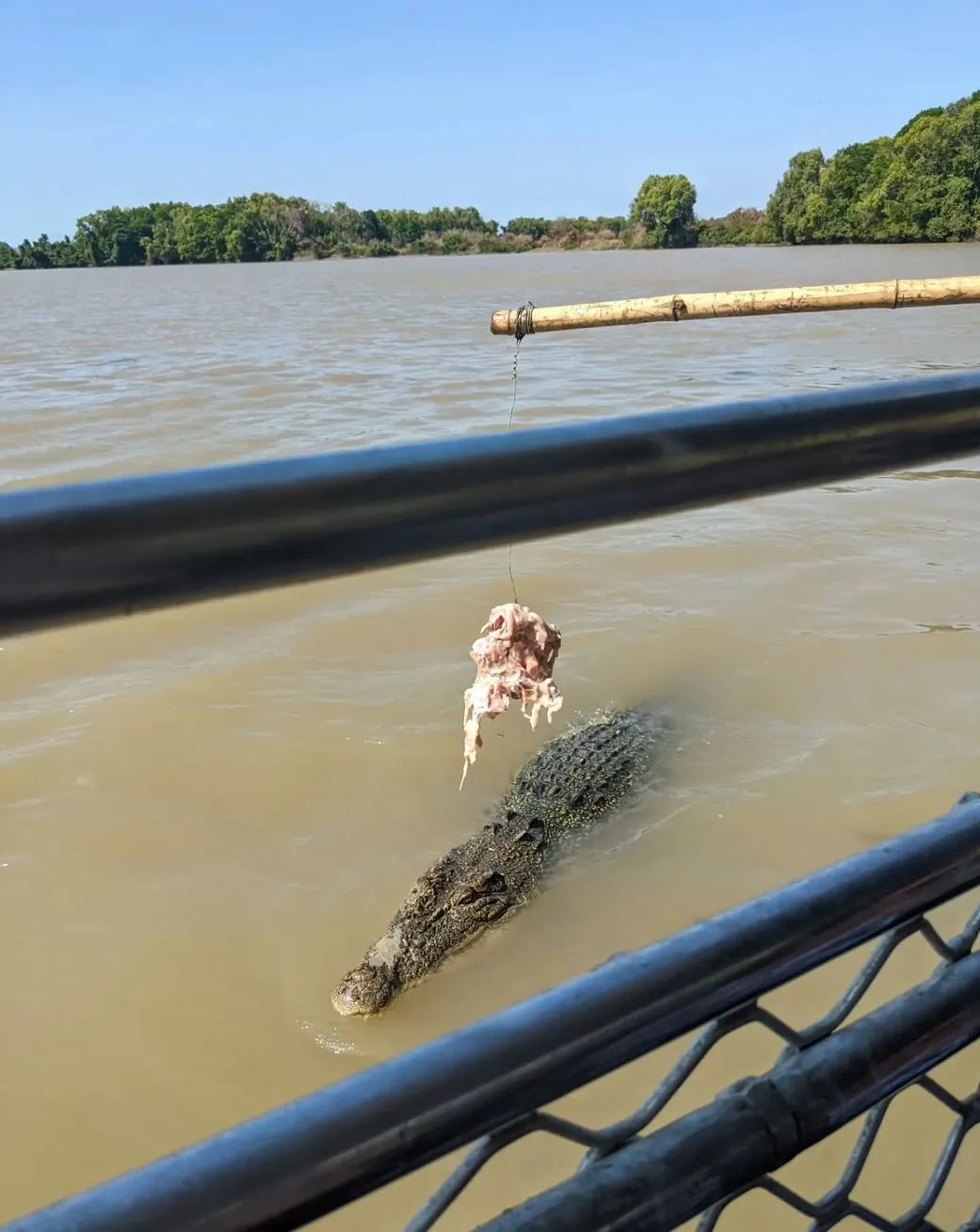
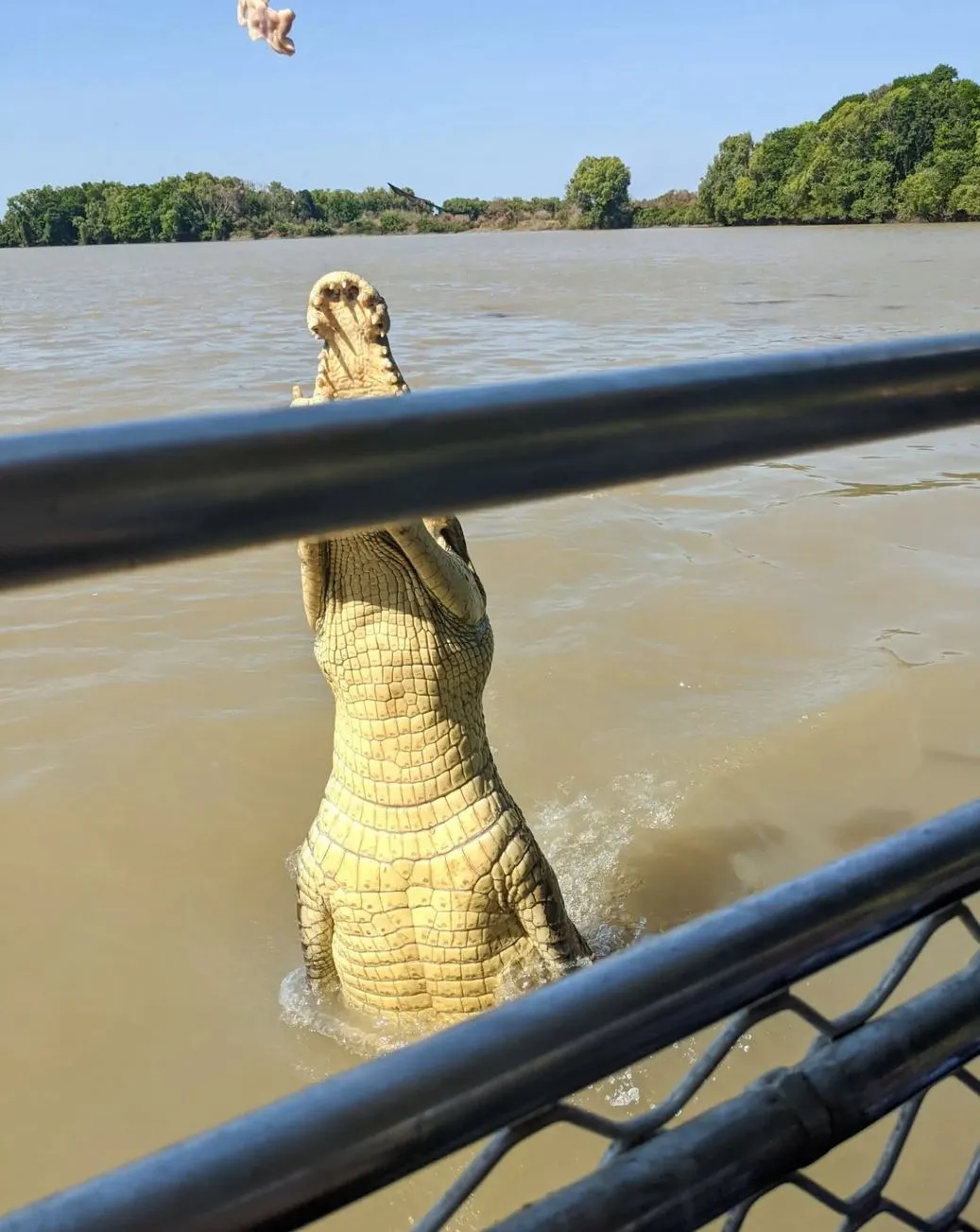
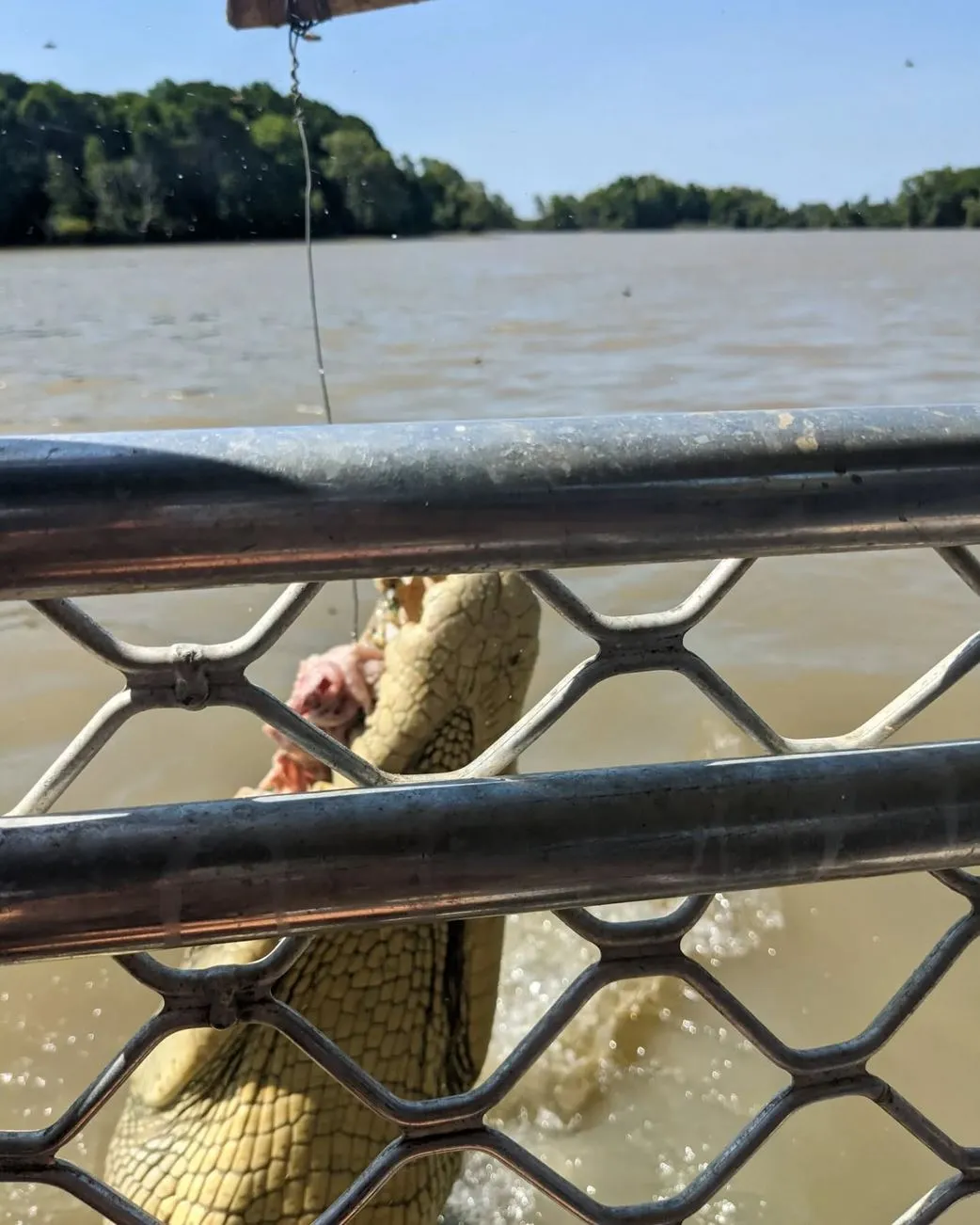
You can’t talk about the Top End without mentioning crocs. The Jumping Crocodile Cruise on the Adelaide River is the heart of all three combos — and for good reason. Watching a four-metre saltie launch itself out of the water right beside your private boat is a mix of awe and mild terror. But that’s the point. It’s raw, it’s real, and it’s the NT in all its toothy glory.
The cruises are run by experienced local guides who know these crocodiles by name. They don’t just feed them for the show — they teach you how to stay croc-wise, spot nests, and understand how these apex predators fit into the ecosystem. You’ll learn more in one hour here than you would in a week of wildlife documentaries.
Pro tip: Always confirm your tour includes a Parks Pass where required. It’s not just a ticket — it supports local conservation and Traditional Owner programs that keep this country thriving.
Swimming Holes and Stone Country
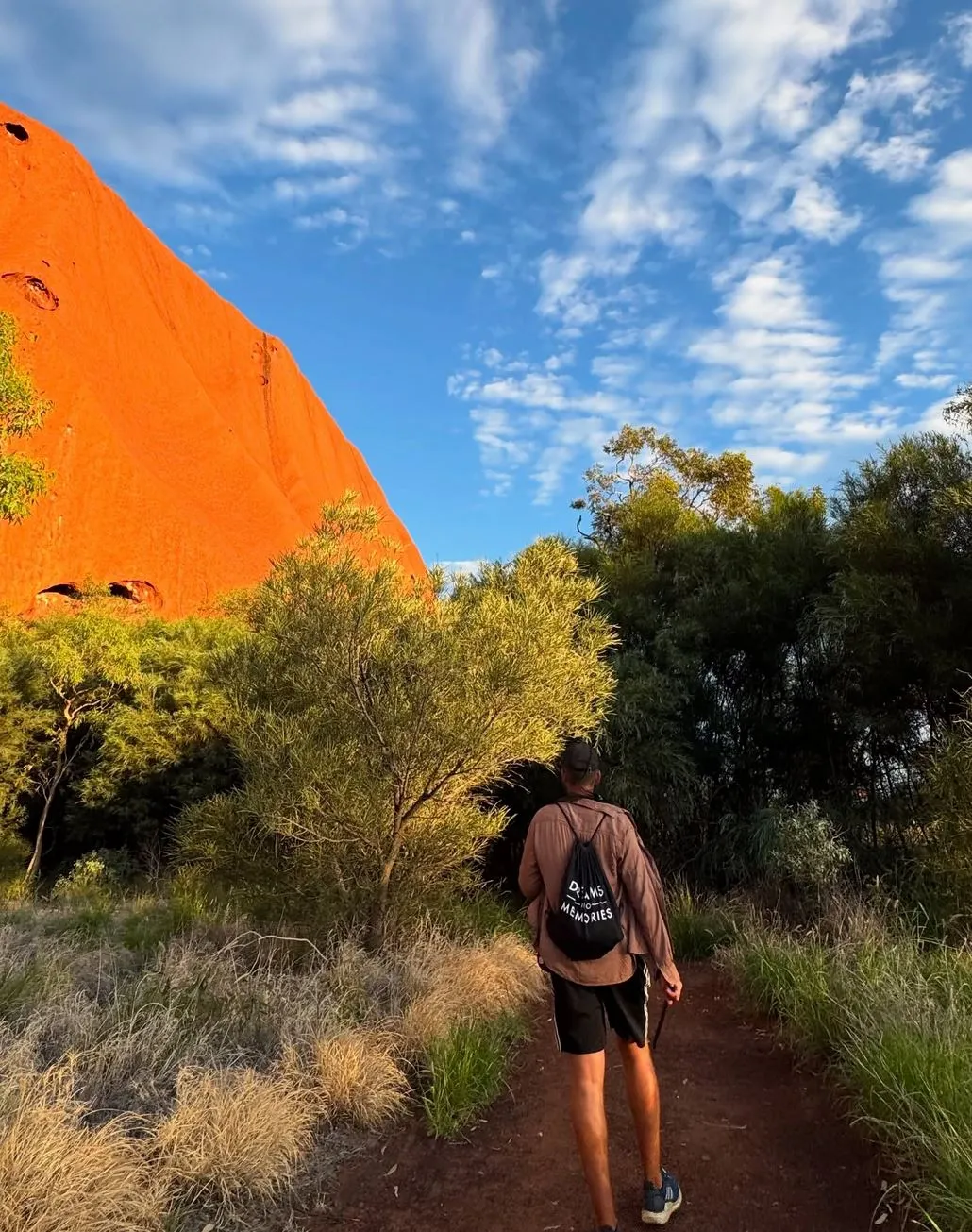
Few places scream ‘Top End adventure’ like Litchfield National Park. This combo gives you the perfect balance between excitement and serenity — from wildlife spotting on the way to cooling off in natural pools under towering waterfalls. Florence Falls, Wangi Falls, and Buley Rockhole are the big hitters. In the dry season, you’ll be diving into crystal-clear water. In the wet season, the flow roars and the landscape turns into something wild and cinematic.
If you’re lucky, your guide might share stories tied to the local Aboriginal rock art sites or the Dreaming stories of the area. This kind of context adds depth to the day — and it’s something you won’t get on big coach tours that only stop for photos. Smaller groups with local guides (like Territory Expeditions) often weave in history, geology, and even bush tucker tastings if the season allows.
Reality check: Wet season access can be unpredictable. Some tracks flood, swimming holes close, and mozzies show up like they’ve been waiting for you all year. Pack light, bring repellent, and keep an open mind — the wet brings out life in the bush like nothing else.
Where Birdwatchers Lose Track of Time
If you’re chasing after some real wildlife encounters, Fogg Dam is a real find. This place is like a living postcard from the Top End – a sweltering wetland chock-full of magpie geese, egrets, jabirus, and, of course, the occasional croc lurking just beneath the surface. When the early morning light hits, the whole place is bathed in a sort of golden glow. Most combo tours that swing by the Jumping Crocodile Cruise make a stop at Fogg Dam first or last, giving you a chance to stretch your legs and just soak up the laid-back atmosphere.
This stop is tailor-made for people who’d rather take things easy and not rush off. There’s no swimming allowed (unless you fancy a dip with the crocs), but it’s a paradise for photography enthusiasts and anyone who prefers a more low-key national park tour. The guides here are always happy to point out the tracks of wallabies and snakes, and give you the lowdown on the rhythms of the wet and dry seasons.
Statistical Insight: Fogg Dam is home to a staggering 230 recorded bird species – that’s more than you’ll find in Kakadu during some of the wet season months.
Where the Beer is Chilled and the Locals are Warmer

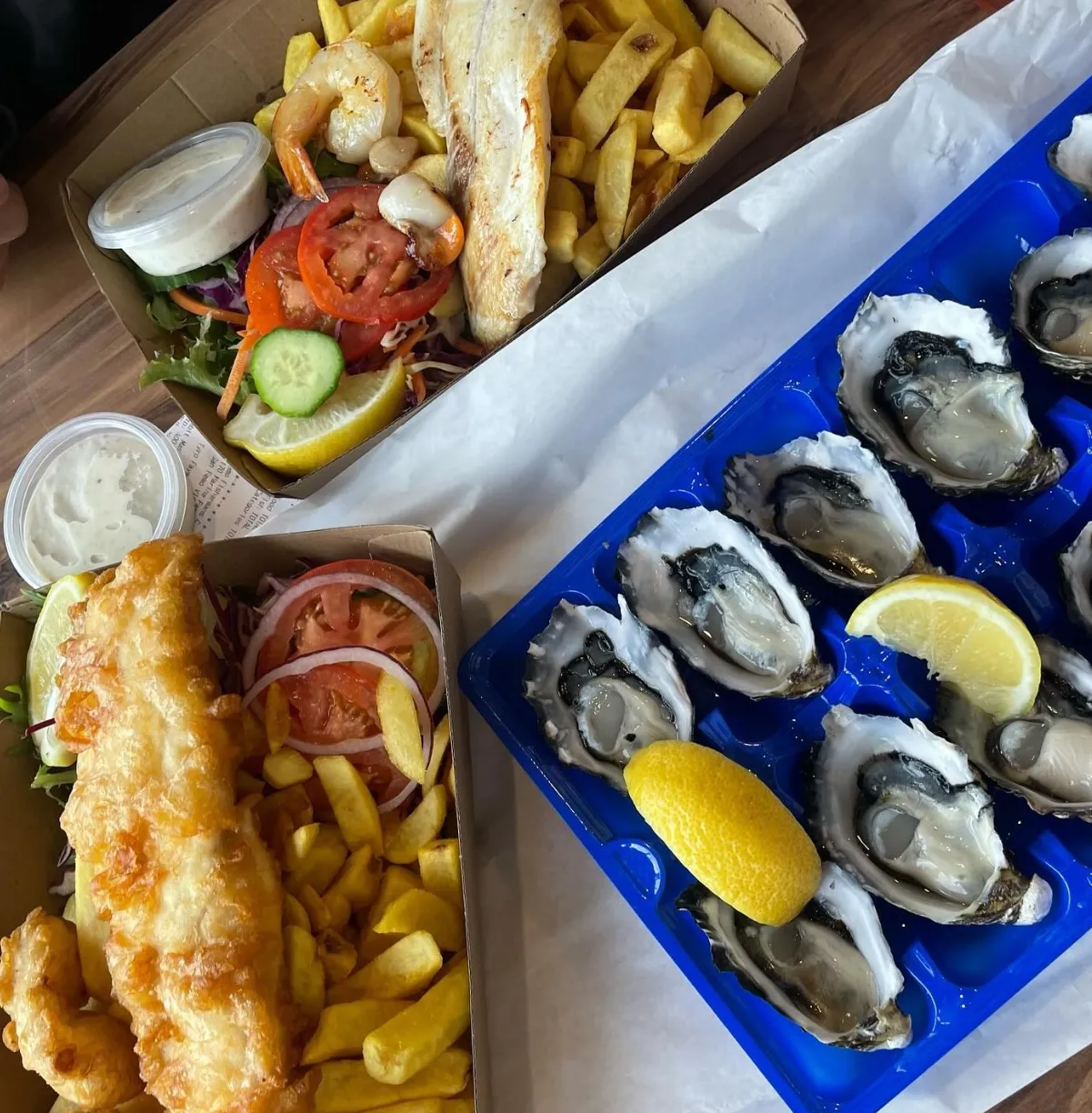
Okay, let’s be honest here – not everyone’s into the whole rock art and ecology thing. Some people just want a good feed, a laugh and a cold beer. That’s where the Humpty Doo Pub Lunch combo comes in. After your Jumping Crocodile Cruise, this tour takes you to one of the Territory’s most iconic pubs – with all the trimmings, from the croc heads on the wall to the live music (if you’re lucky), and it serves up big helpings that could easily feed the local footy team.
It’s not fancy, but it’s as real as it gets. You’ll get to hear the local legends and maybe even spot a few old-timers who’ve been drinking at the bar since the 80s. And of course, you’ll get to experience a taste of Northern Territory life in all its unvarnished glory. For many, it’s the perfect way to cap off a day of croc-spotting – and you’ll probably leave with a big grin on your face and a pocket full of memories.
Note: Don’t forget to bring some cash – card machines can be a bit temperamental, and the souvenir stubby holders are always flying off the shelves.
Local Knowledge is the Key to a Real Day Out
A good guide can turn an average day into a story you’ll be telling for years to come. Local guides are the ones who bring the landscape to life – explaining all about the Aboriginal rock art, the way the wet season works, and just how wildlife manages to cope with the Territory’s extreme conditions. They’ll show you the best swimming spots, time your stops to avoid the crowds, and keep you safe when there are crocs around.
The difference between a real day out and a forgettable one is usually down to local knowledge versus generic commentary. Smaller tour operators focus on telling the real story, while big coach tours just feel like they’re on a conveyor belt. Look for companies that partner up with local communities and respect the Traditional Owners’ guidance – and try to avoid the big coach tours with more than 20 people on board.
Checklist for picking a quality tour:
- Ask if your guide has the NT accreditation and is actually based here in the Territory, so they know what they’re talking about.
- Make sure you know if a Parks Pass and permits are included – don’t get caught out.
- Check the vehicle – do you want a bus or a 4WD? Either one is fine, but make sure it’s air-conditioned.
- Do a quick check of the recent reviews to make sure the conditions are up-to-date.
- Double-check exactly what’s included – meals, entry fees and all that – you don’t want any nasty surprises.
Wet Season vs Dry: Timing Your Adventure
Choosing between the wet and dry seasons can make or break your trip. The dry (May–October) is easier for travel — roads are open, skies are blue, and swimming holes are at their clearest. But the wet (November–April) brings something special: dramatic storms, green landscapes and thundering waterfalls that make you feel like you’ve landed on another planet.
The key is knowing what to expect. If you’re chasing waterfalls and don’t mind a few closed tracks, the wet can be amazing. Just make sure your tour operator has contingency plans — and always pack travel insurance that covers weather disruptions.
In short:
- Dry season: predictable, easier logistics, more people.
- Wet season: fewer people, more wildlife, potential closures.
Real-World Costs and Comforts
It’s not just about the ticket price — it’s what you get for it. Some cheaper big coach tours save money by skipping key stops or cramming in too many people. Meanwhile, smaller operators with private boats and personalised service might cost a bit more but deliver double the value.
Here’s what to weigh up:
- Group size: Small groups mean better access and more flexibility.
- Transport: An air-conditioned bus can make or break your comfort in 35°C heat.
- Food: Is lunch included or a DIY affair at a roadhouse?
- Extras: Some tours throw in water bottles, snacks or even drone photo ops.
If you’re short on time and want a full Top End sampler, Litchfield + Jumping Crocodile Cruise generally offers the best of everything — swimming holes, wildlife, Aboriginal rock art and that sense of space.
The E-E-A-T Factor: Trusting Your Tour Operator
As someone who’s been in the industry for decades, I can tell you — a tour company’s trustworthiness matters. The best national park tours are run by operators who invest in their staff, respect the Country and deliver consistent, safe experiences. Look for those who publish clear itineraries, maintain up-to-date reviews and prioritize safety briefings (especially around crocs and the wet season).
That’s what Google’s own E-E-A-T principles — Experience, Expertise, Authoritativeness and Trustworthiness — are all about. It’s the same mindset travellers should bring to choosing a tour: go with the operators who walk the walk, not just talk it.
Final Word from Paul Beames
After years on the road, I’ve found the best-value combo isn’t just about the cheapest ticket — it’s about the stories, scenery and sense of connection you bring home. For most travellers, the Litchfield and Jumping Crocodile Cruise combo wins for sheer variety and depth. You’ll swim in natural pools, meet prehistoric reptiles and soak up that Top End vibe.
Whether you’re chasing Aboriginal rock art, cold beers at the Humpty Doo Pub or a quiet moment at Fogg Dam, every route delivers its own slice of the Top End. Just remember: go local, stay curious and don’t forget to pack your sense of humour — the mozzies certainly will.
FAQ
Do I need a Parks Pass for these tours?
Yes, most national park tours in the NT require a Parks Pass. It’s usually included in your ticket, but always check. The funds support conservation and Traditional Owner programs.
Can I swim at all the waterfalls in Litchfield?
Not always. Swimming holes open and close depending on water levels and croc management. Guides will always keep you informed — safety first.
What’s the wet season really like for travel?
Hot, humid and full of surprises. Roads can close due to flooding, but it’s also when the landscape comes alive. Bring a rain jacket and patience — it’s part of the adventure.
Is the Jumping Crocodile Cruise safe?
Absolutely, as long as you follow instructions. These tours are led by trained local guides who understand croc behaviour. Stay inside the private boat and you’re fine.
What should I pack for a one-day Top End tour?
Bring swimmers, a towel, a hat, insect repellent, a reusable water bottle, a camera and light clothing. A raincoat during the wet season won’t go astray either.