Our brows tell a story. Whether thin, bushy, arched, or straight, they shape our face and express our emotions. But not everyone is blessed with perfect eyebrows. Thankfully, advancements in cosmetic treatments have offered solutions for those seeking brow perfection. Two such popular techniques are microblading and microshading. But what are they? And, more importantly, which one is better?
Brief overview of microblading
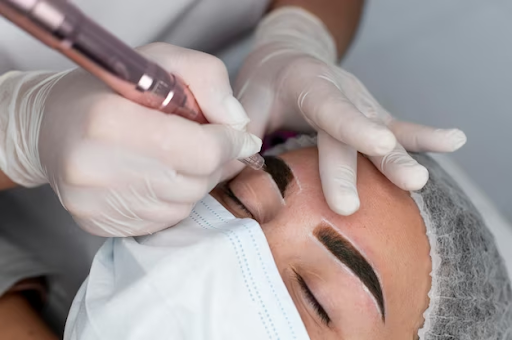
Ever noticed how some people have eyebrows that seem like they’ve been drawn by the hands of an artist? Chances are, they might have had microblading done. Microblading is a semi-permanent tattooing technique where a skilled technician creates hair-like strokes on the brow region using a handheld tool with ultra-fine needles. These strokes replicate the appearance of natural brow hairs. This technique fills in sparse areas, giving eyebrows a fuller and more defined look. It’s a craft that requires precision and artistry, ensuring that each stroke mimics the pattern of natural eyebrows.
The best part? Unlike traditional tattoos that use ink, microblading uses pigments that fade over time, allowing for adjustments as your face and style evolve. This adaptability has made microblading a favorite among those looking for lasting but not forever results.
Brief overview of microshading
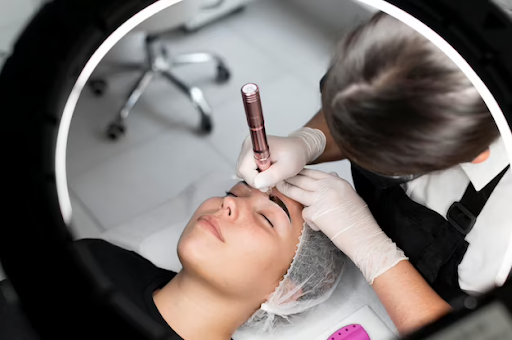
If microblading is the pencil sketch, microshading is the airbrushed portrait. It’s a technique that gives brows a soft, powdered look similar to the effect of eyebrow makeup. Instead of creating individual hair-like strokes, microshading employs a stippling method where small pin-like dots of pigment are layered on the brow area. The result? A gradient, subtle, and dreamy finish that makes brows look naturally full and beautifully shaped.
For those who prefer a more ‘filled-in’ look or have oilier skin types, which might not hold microbladed strokes as well, microshading offers a fantastic alternative. It creates a shadow effect, perfect for those who regularly powder or shade their eyebrows with makeup. In a way, it’s like waking up with your eyebrow game already on point!
Key Differences between Microblading and Microshading
| Aspect | Microblading | Microshading |
|---|---|---|
| Technique | Uses a handheld tool with ultra-fine needles to create hair-like strokes. | Employs a stippling method, creating small pin-like dots of pigment. |
| Look | Provides a natural appearance, replicating real eyebrow hairs. | Gives a soft, powdered look, mimicking the effect of eyebrow makeup. |
| Best for | Those with sparse eyebrows or who want a defined, yet natural look. | Individuals who desire a filled-in look or have oily skin. |
| Tools Used | Handheld microblading tool with individual needles. | Often uses a machine or a manual tool, depending on the technician’s preference. |
| Duration | Typically lasts 1-3 years, depending on skin type and care. | Might last a bit longer than microblading, especially on oily skin types. |
| Procedure Time | Usually around 2-3 hours. | Typically takes about the same time, if not slightly longer due to shading. |
| Pain Level | Comparable to light scratching. Numbing cream is usually applied beforehand. | Similar to microblading but might feel like a repetitive tap because of dots. |
| Appearance | Crisp, individual hair strokes. | Soft, gradient, and shadow effect. |
Benefits of Each Technique
Microblading Benefits
- Natural Appearance: One of the primary draws of microblading is its ability to replicate the look of real eyebrow hairs. When executed by a skilled technician, it’s often difficult to distinguish between the natural eyebrow hairs and the microbladed strokes.
- Longevity without Permanence: Microblading offers the best of both worlds. It lasts much longer than regular eyebrow makeup (up to a couple of years) but will eventually fade, giving individuals the flexibility to change their eyebrow style or shape over time.
- Time Saver: Once microbladed, you can bid farewell to the daily ritual of filling in your brows. You’ll wake up with brows ready to go, shaving valuable minutes off your morning routine.
Microshading Benefits
- Fuller Look: For those who prefer the look of makeup on their brows or have little to no eyebrow hairs, microshading offers a fuller, more made-up look.
- Great for Oily Skin: Oily skin can sometimes cause microbladed strokes to blur or fade quicker. Microshading, on the other hand, holds up better and often lasts longer on oilier skin types.
- Softer Appearance: While microblading offers precise hair-like strokes, microshading offers a gradient, soft effect, giving brows a subtly defined look without appearing too harsh.

Potential Risks and Considerations
Microblading Risks
- Infection: As with any procedure that breaks the skin, there’s a risk of infection. It’s crucial to ensure that the technician follows proper sanitation practices and that you follow aftercare instructions meticulously.
- Uneven Results: If not done by an experienced professional, you might end up with uneven brows or results that don’t align with your expectations.
- Allergic Reactions: Though rare, some people might react to the pigments used in microblading. It’s always a good idea to do a patch test if you have sensitive skin or known allergies.
Microshading Risks
- Over-shading: If done too aggressively, microshading can result in brows that look too dark or unnatural.
- Scarring: Again, while rare, there’s a potential risk of scarring, especially if the technician goes too deep into the skin or if the skin doesn’t heal properly.
- Fading Issues: Depending on the skin type and aftercare, some individuals might notice their microshading fading unevenly, leading to patchy eyebrows.
Making the Right Choice for Your Brows
Eyebrows are often referred to as the “frames of the face”. They play a significant role in enhancing facial symmetry, and a well-groomed set can dramatically improve one’s appearance. The choice between microblading and microshading is personal and depends on various factors.
Firstly, consider your skin type. Those with oily skin might find better longevity with microshading, while drier skin types might appreciate the crispness of microbladed strokes. Your desired look plays a crucial role too. Do you prefer a natural, hair-like finish, or are you more inclined towards a softly filled-in look?
Consultation with professionals is paramount. Speak to a skilled technician and discuss your preferences, lifestyle, and any concerns you might have. Sometimes, a combination of both techniques, often referred to as “combo brows”, might be suggested to achieve a tailored look.
In essence, there’s no one-size-fits-all answer. The best technique is the one that aligns most closely with your personal aesthetics, skin type, and lifestyle.

Overall
In the evolving world of beauty and cosmetics, innovations like microblading and microshading offer individuals the chance to refine and enhance their natural features. While both techniques have their set of advantages, the choice boils down to individual preferences and desired outcomes. Always prioritize safety, do your research, and remember that your brows are in your hands (or, more precisely, in the hands of your chosen technician). Whether you opt for microblading, microshading, or a combination of both, here’s to flaunting your best brows yet!
FAQs
- How long do both procedures take?
Typically, both microblading and microshading take around 2-3 hours, but it can vary based on the technician’s process and the client’s specific needs. - How often do I need touch-ups?
Most people require a touch-up every 12-18 months, though it can vary based on skin type, aftercare, and lifestyle factors. - Is the procedure painful?
Most clients describe the sensation as similar to light scratching. Topical numbing creams are often applied to minimize discomfort. - How long is the healing process?
The initial healing phase usually lasts 7-14 days, but the brows will continue to mature and reach their final color over 4-6 weeks. - Can I exercise after getting my brows done?
It’s recommended to avoid heavy sweating and exercise for at least a week post-procedure to ensure the best pigment retention.
Remember, your eyebrows are a significant feature on your face. Make informed decisions, and wear them with confidence!