At Cosmetic Tattoo Melbourne Studio, we’ve seen it all — from faded microblading disasters to long-lost lip liner that won’t budge.
Tattoo regret is real — and so is the journey of trying to erase ink that no longer feels like you. Whether it was a dodgy decision at schoolies, a name that didn’t age well, or a microbladed brow that turned a mysterious shade of orange, removal isn’t a magic eraser. But does the skin ever return to normal after laser tattoo removal? That depends on your skin type, the type of ink, the laser tattoo removal session, and how well you care for it.
As someone who’s zapped off more faded butterflies and botched cosmetic tattoos than I can count, let me walk you through the tattoo removal process, healing stages, and real results — so you can make an informed choice for your face and body.
What Happens to Your Skin?
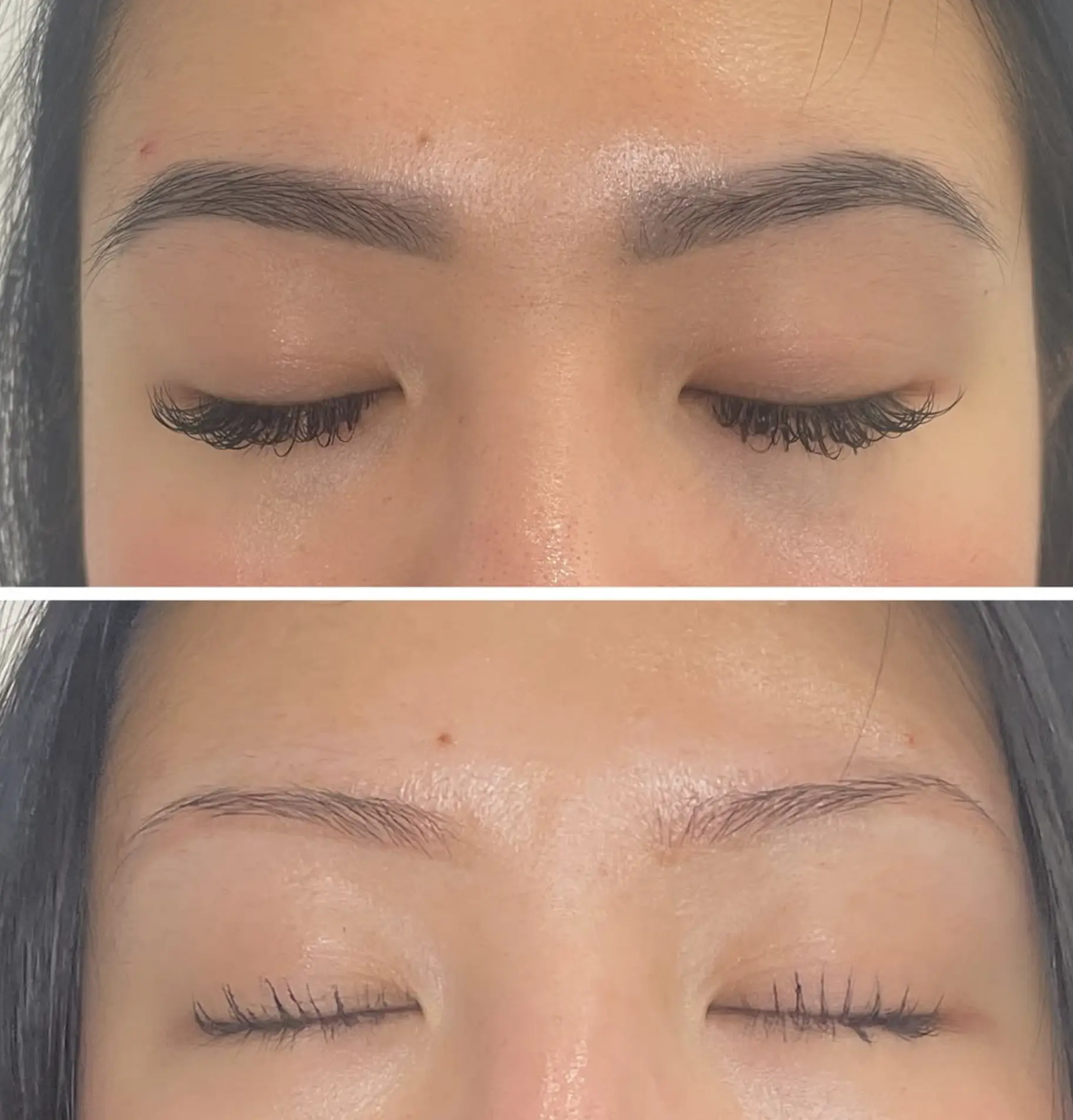
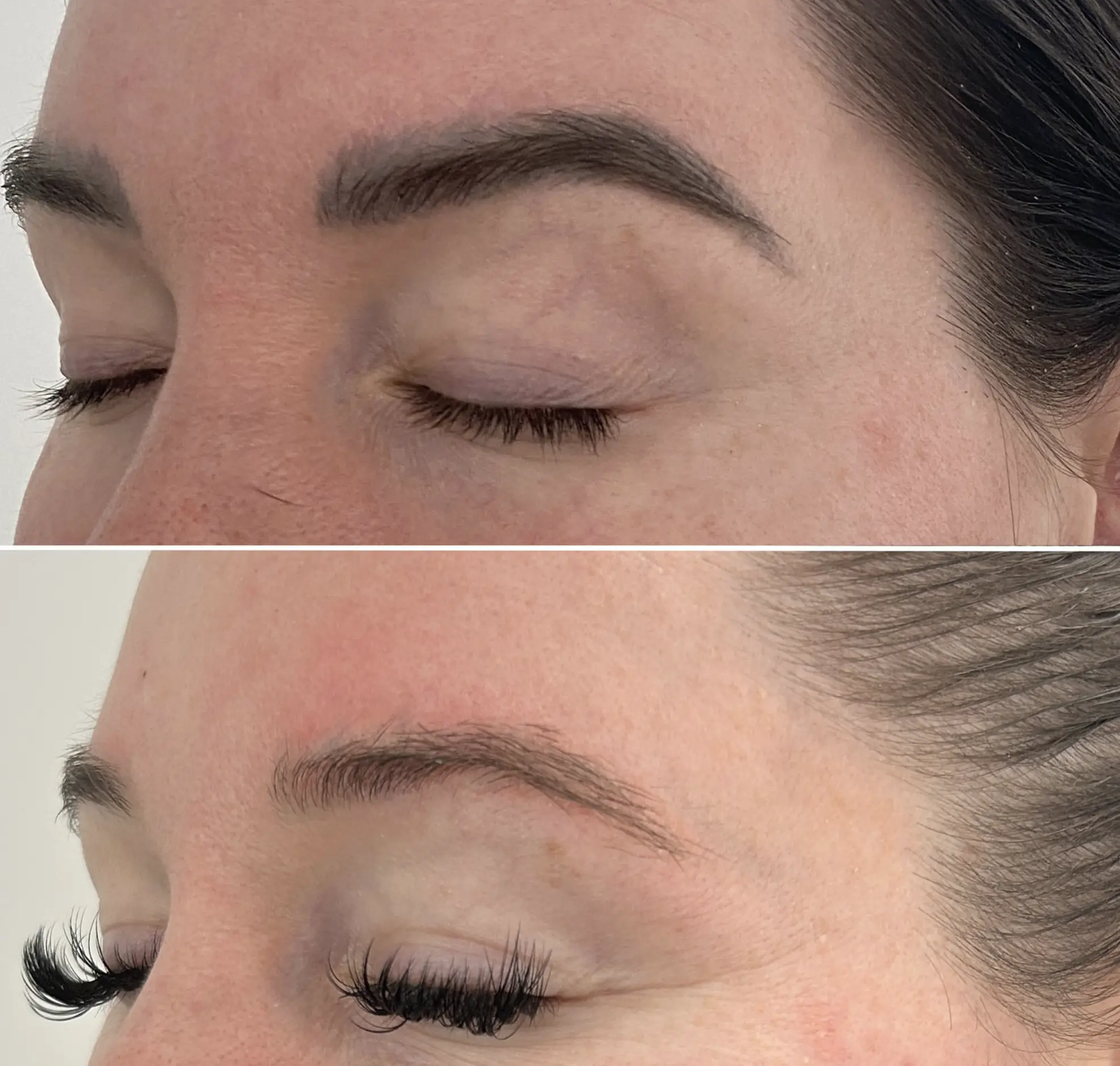
One of the most requested services we see is eyebrow tattoo removal — especially as brow trends change and older pigment fades or shifts colour.
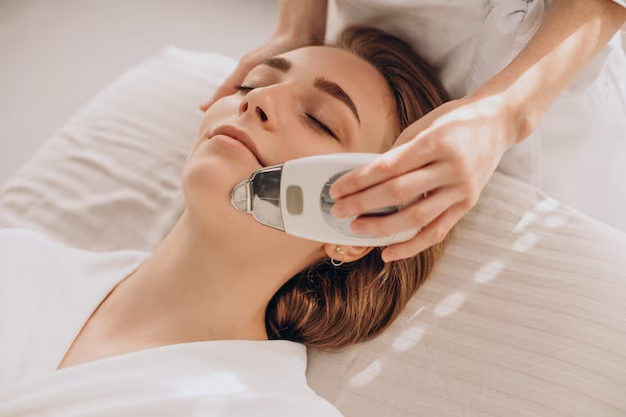
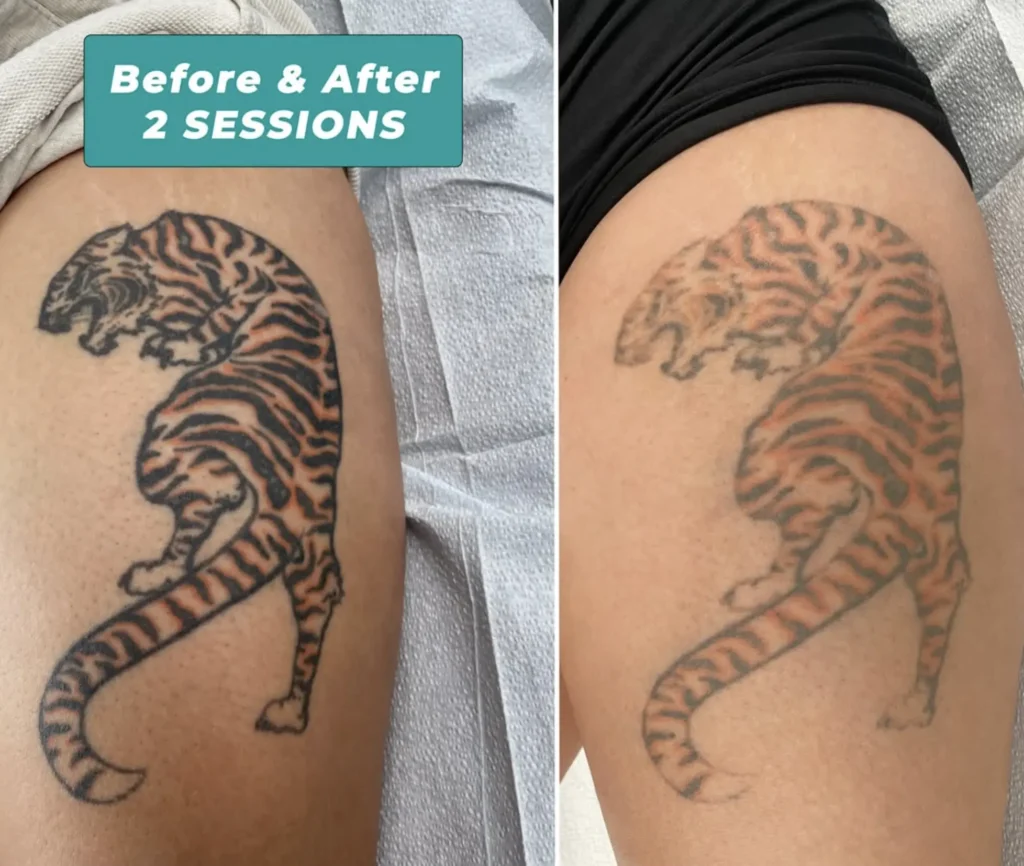
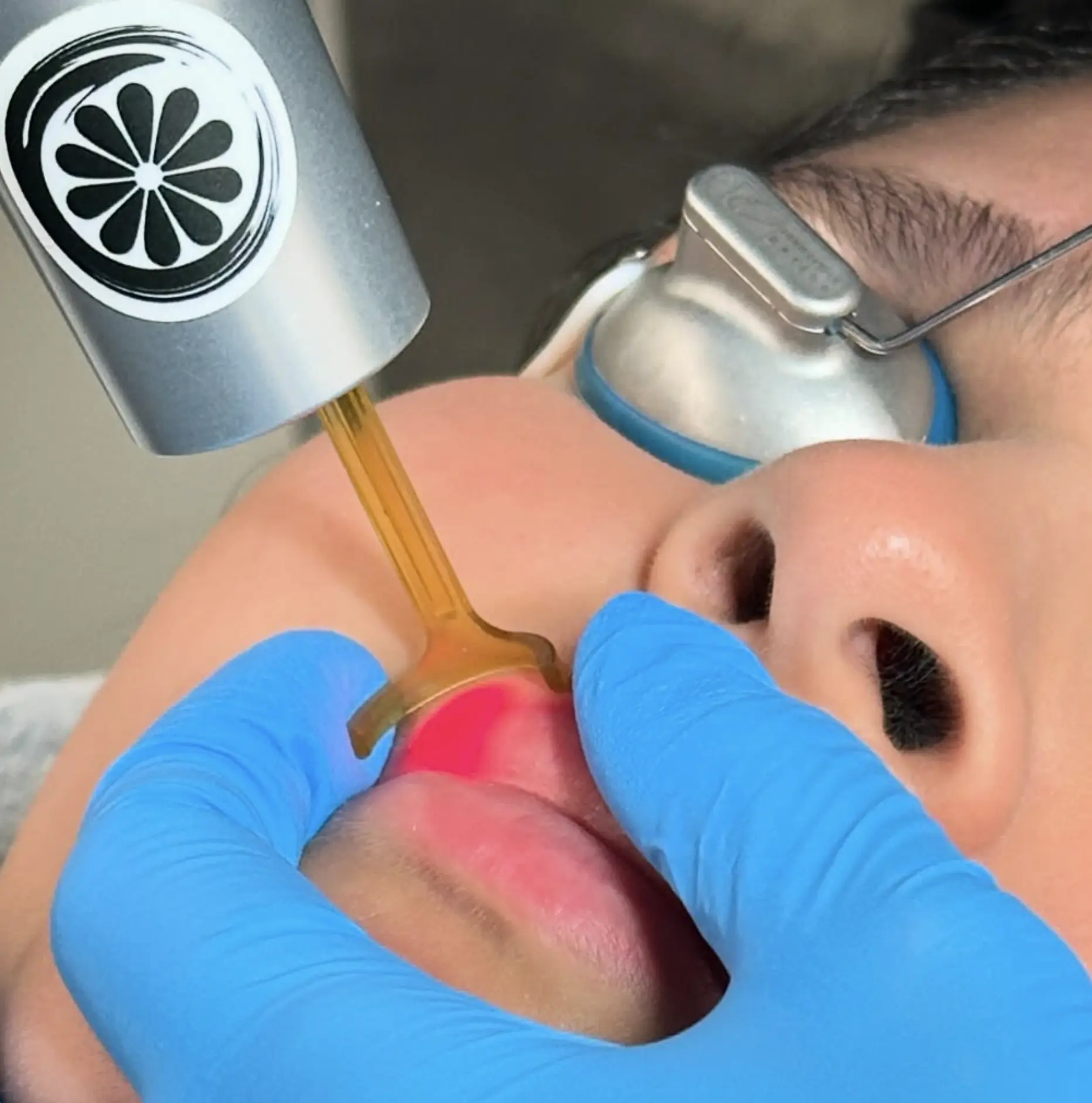
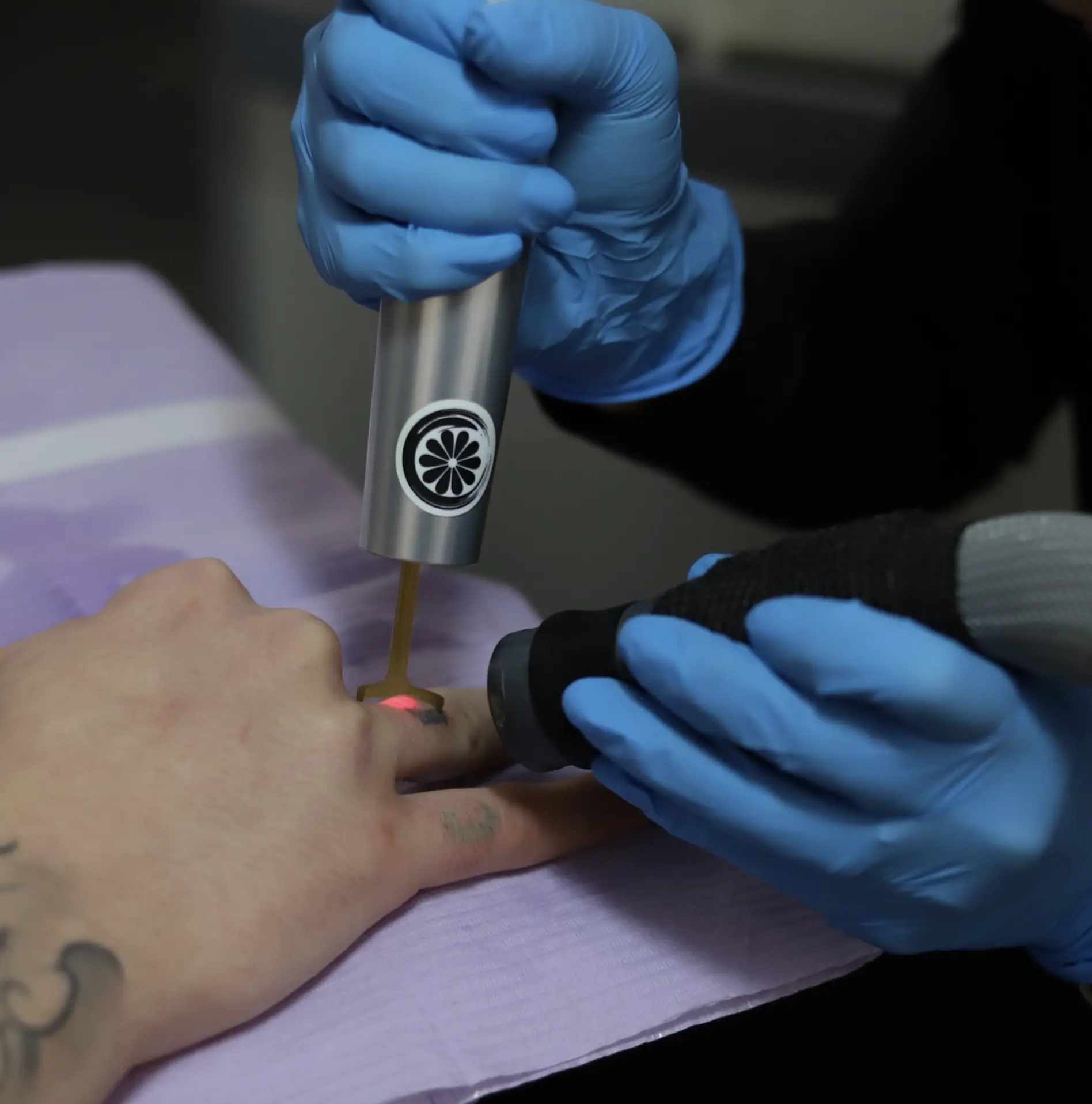
Laser tattoo removal works by shattering particles of ink into tiny fragments that your lymphatic system flushes out. It’s clever, but it’s not gentle.
Here’s What Laser Removal Does to the Skin:
- Creates thermal damage: The laser energy generates heat, which can inflame the skin and trigger your immune response.
- Targeted tattoo pigments: It doesn’t just remove ink; it can also affect natural melanin, especially depending on your skin complexion.
- Initiates a wound-healing process: Your skin has to repair itself after each treatment session, which is why spacing laser tattoo removal treatments 6–8 weeks apart is crucial.
Some methods like saline or acid-based cosmetic tattoo removal can target pigment as well, but advanced laser technology is the most effective method — especially for multi-coloured tattoos, professional tattoos, or cosmetic tattoos.
Healing Timeline
This is a general guide based on what we see in-studio after professional laser tattoo removal services:
| Week | What to Expect |
|---|---|
| 1 | Redness, swelling, blistering (don’t pop!) |
| 2 | Scabbing, itchiness, and darkening of tattoo pigments |
| 3 | Flaking, early fading tattoos, mild sensitivity |
| 4 | Pink skin, less irritation, and early texture change |
| 6–8 | Skin settles; ready for next laser session |
Healing can vary depending on sun exposure, activity level, and whether you follow proper aftercare. Factors like excessive sun exposure, exposure to water, and skipping laser tattoo removal aftercare can prolong your recovery process.
Does Skin Actually Go Back to Normal?
Here’s the no-BS answer:
Sometimes yes. Sometimes no.
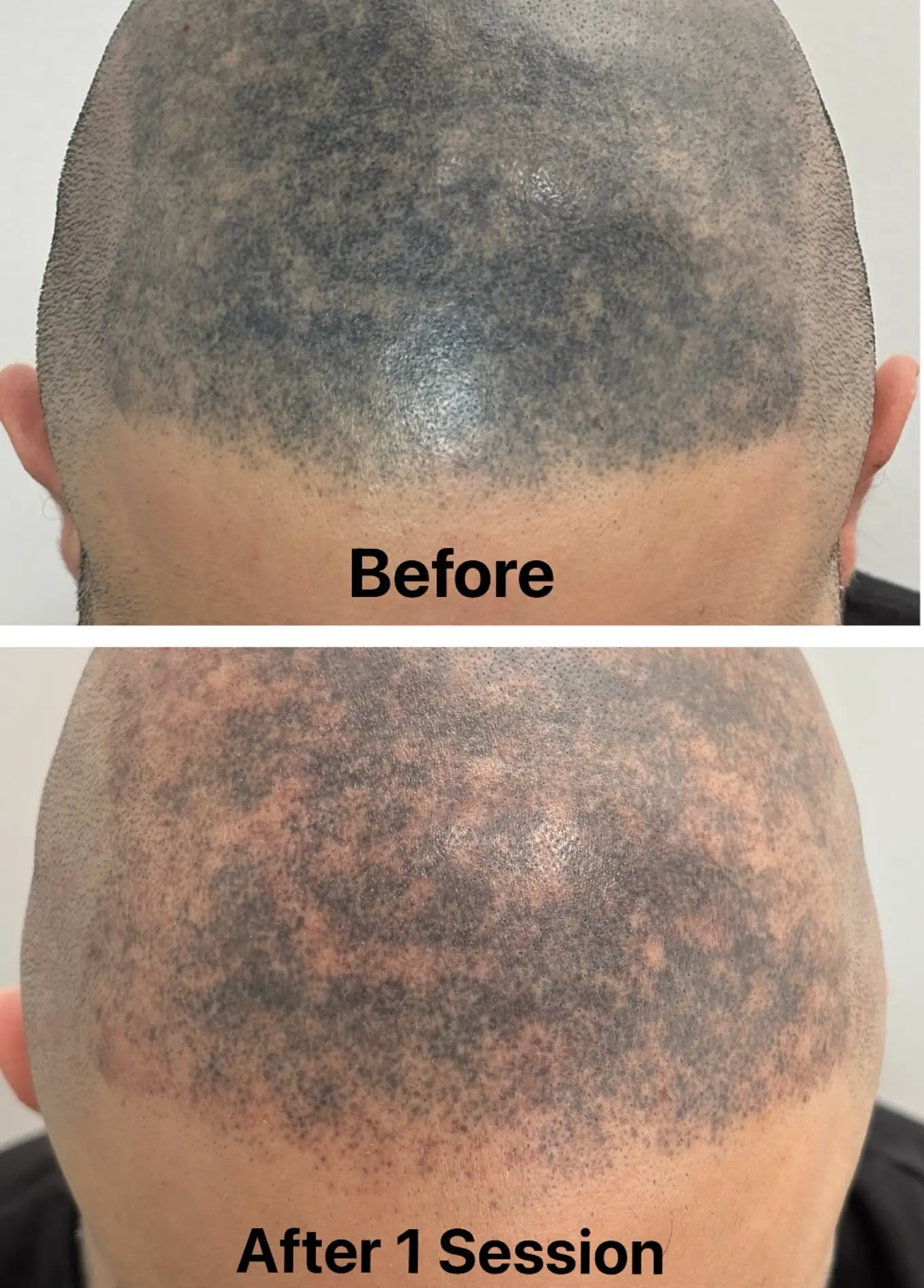
Some clients walk away with barely a trace. Others are left with ghosting, texture changes, or mild hypopigmentation. The outcome depends on how your skin copes with the intense laser energy and how much adequate time and aftercare instructions you give it to heal.
Factors That Affect Skin Recovery:
- Colours of tattoos: Lighter or pastel tattoo colour tends to be more stubborn.
- Skin tone and type: Fitzpatrick 4+ tones are more prone to pigment changes.
- Location of tattoo: Thin-skinned areas like brows or wrists show texture more.
- Compliance with aftercare procedure: Avoiding damage to healing skin is critical.
If your skin is inflamed minutes after removal, or feels tight a couple of hours later, don’t stress — it’s a common reaction and part of the healing process.
Myths vs Facts
Let’s debunk a few myths I hear during the cosmetic consultation:
- “It’ll look like nothing was ever there.”
- Not always. Even with effective tattoo removal, skin may show mild signs — especially with older or stubborn tattoos.
- “Scarring is caused by lasers.”
- Not true. The risk of scarring is more about poor technique or incorrect aftercare instructions.
- “Lighter skin heals better.”
- Not necessarily. All skin complexion types can react differently. Some handle laser light well; others react with hyperpigmentation.
- “Saline is safer.”
- Saline can work for cosmetic ink but still disrupts the skin adequate for healing.
How to Help Skin Recover Well
We give every client tattoo removal aftercare guides to ensure they get the most from their laser treatment.
Aftercare Essentials:
- Cool compress: Especially in the first hour after laser removal.
- No picking or peeling: Reduces the risk of complications.
- Keep it clean: Use gentle cleansers only.
- Barrier creams: Like Cicaplast, to support faster healing.
- SPF every day: This reduces potential scarring from sun exposure.
Lifestyle Support:
- Maintain blood circulation through light movement.
- Avoid physical activity on the day of treatment to prevent skin fatigue.
- Prioritise a healthy diet to fuel the immune response.
- Allow adequate time between sessions for complete healing.
What Real Clients Experience
- A client came in for eyebrow tattoo removal after several years of pigment migration. With patience and proper spacing between sessions, we achieved a clean fade with no visible scarring.
We’ve seen the full spectrum:
- Coloured tattoo on a shoulder faded beautifully after seven laser tattoo removal treatments.
- Cosmetic tattoo removal on a client with sensitive skin healed with zero scarring after slow, spaced treatment sessions.
- A deeper layer wrist tattoo caused mild scarring due to over-treatment and picking.
Trust your laser technician. Choose an experienced specialist or removal specialist who offers a detailed consultation process and sets realistic expectations.
Tattoo Trends in 2025
Laser tattoo removal services have surged 32% since 2022. Demand is particularly high for colour tattoo removal and cosmetic tattoos.
Popular reasons?
- Brows are getting softer.
- Multi-coloured tattoos are out.
- People are aware of the entire tattoo removal process now, including complications and healing.
Clinics offering advanced method using advanced laser systems are seeing more bookings — especially when effective laser tattoo removal is needed for cosmetic tattoo correction.
Final Thoughts
Don’t chase flawless. Chase complete healing and healthy skin.
The best outcomes happen when you:
- Follow the aftercare procedure
- Give your skin adequate time to rest
- Avoid excessive sun exposure and physical activity too soon
- Choose the right laser procedure from a qualified laser specialist
If you’re unsure what to expect at your consultation, ask about your skin type, pigment depth, and how many laser tattoo removal sessions you may need.
FAQ
How many sessions does it take to remove a tattoo completely?
It varies. Most professional tattoos take 6–10 sessions. Smaller cosmetic tattoos may require fewer.
Can I get another tattoo over the same spot after removal?
Yes, but wait at least 3 months to allow for complete healing and to prevent the risk of scarring.
Will I definitely scar?
No, but the risk of complications increases with poor aftercare or aggressive treatment. Pick a skilled laser technician.
Does it hurt?
Yes. It feels like hot snaps of rubber. Some studios use anaesthetic creams to help.
What’s better: laser or saline removal?
For deep or multi-coloured tattoos, laser treatment is usually faster. For brows or lips, saline removal might suit better. Your current technician should assess this during your cosmetic consultation.