You might’ve heard the buzz about IPL, especially if you’ve been seeking a hair-free, smooth skin solution. But do you really know what it is or how it works? Hang tight! In this guide, we’ll dive deep into the world of IPL hair removal, explaining its intricacies in layman’s terms.
What is IPL?
Intense Pulsed Light (IPL) is a technology that uses specific wavelengths of light to target and damage hair follicles, thereby preventing future hair growth. It’s not a laser, but rather a broader spectrum of light that penetrates multiple layers of skin, targeting the melanin within hair. Imagine you’re trying to focus sunlight using a magnifying glass, but with a more precise and controlled approach. That’s IPL for you!
IPL vs. Traditional Hair Removal Techniques
Traditional methods of hair removal such as waxing, shaving, or threading are often tedious, painful, and short-lived. Here’s a quick comparison:
- Waxing and Threading: Pulls out the hair from the root, leading to a smoother finish. However, it can be painful and often leads to ingrown hairs.
- Shaving: Cuts the hair at skin level. It’s painless but can cause razor burns, and the regrowth is often prickly.
On the other hand, IPL offers a longer-lasting solution. It might not be entirely permanent, but with regular sessions, you can enjoy extended periods of smooth skin. Plus, there’s no risk of getting those pesky ingrown hairs!

The Science Behind IPL Hair Removal
The Role of Light Energy
At its core, IPL is all about using light energy to damage hair follicles. The light gets absorbed by the pigment (melanin) in the hair, which then converts it to heat. This heat damages the follicle, slowing down hair growth. Think of it as giving those unwanted hairs a warm goodbye!
Wavelength and Hair Follicles
The beauty of IPL is in its selectiveness. Different wavelengths target different hair and skin types, ensuring optimal results for everyone. Here’s a brief table highlighting this:
| Skin Type | Optimal Wavelength Range |
|---|---|
| Fair | 500 – 600 nm |
| Medium | 550 – 650 nm |
| Dark | 650 – 1100 nm |
Melanin and its Importance
Melanin plays a crucial role in the IPL hair removal process. It’s the pigment responsible for the color of our skin, eyes, and hair. During IPL, the light targets the melanin in the hair shaft, damaging it. This is why individuals with darker hair and lighter skin often see the best results – there’s a clear contrast for the IPL device to target. Ever wondered why the sun naturally lightens hair? It’s the same concept, but IPL is far more directed and intense.
Benefits of IPL Hair Removal
Effectiveness
IPL hair removal boasts of a higher effectiveness rate compared to traditional methods. While it doesn’t promise 100% permanent hair removal, it significantly reduces hair growth. After several sessions, many users report an 80-90% reduction. This means saying goodbye to daily shaving or monthly waxing appointments and hello to longer-lasting smooth skin.
Safety and Risks
When done correctly, either by a professional or using an at-home device with the right guidelines, IPL is relatively safe. Side effects are minimal, typically limited to slight redness or warmth after treatment, much like a mild sunburn. However, it’s essential to understand that, like any procedure, there are potential risks. Some may experience hyperpigmentation or burns, especially if the wrong intensity or wavelength is used.
The IPL Hair Removal Process
Pre-treatment Steps
Before diving into an IPL session, there are some crucial steps to ensure optimal results:
- Shave the Area: IPL works best on freshly shaved skin. It ensures the light directly targets the hair follicle without obstruction from surface hair.
- Avoid Tanning: Having freshly tanned skin can affect the effectiveness of the procedure. It’s advised to avoid sun exposure or tanning beds for at least two weeks prior.
During the Procedure
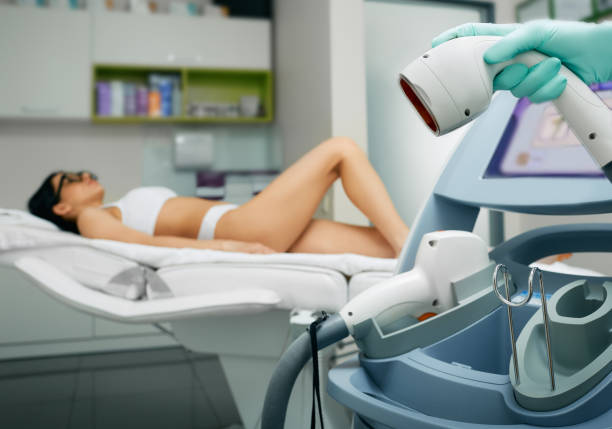
Comfort is key during the IPL procedure. You’ll feel a warm sensation, often compared to the flick of a rubber band against the skin. It’s swift, with most sessions lasting between 15 to 45 minutes, depending on the area being treated. Remember, it’s not a one-time procedure. Multiple sessions are required to catch hairs in different growth phases.
Post-treatment Care
After your IPL session, it’s time for a bit of TLC. Avoid direct sunlight and always use sunscreen to protect the treated area. It’s normal to experience a slight redness, which should subside in a few hours. Also, avoid any form of heat, such as saunas or hot showers, for at least 48 hours.
Choosing the Right IPL Device
Whether it’s for at-home use or in a professional setting, picking the right IPL device is crucial. Ensure it has adjustable settings to cater to different skin and hair types. Check for FDA approval, and always read reviews and research before making a choice. Remember, it’s not just about hair removal; it’s about safe and effective hair removal.

IPL at Home vs. Professional Treatments
While professional IPL treatments offer the expertise of trained technicians, at-home devices have become increasingly popular. They offer convenience and are more budget-friendly in the long run. However, one must be diligent in following instructions and safety guidelines. So, is one better than the other? It boils down to personal preference, budget, and comfort level.
Conclusion and Final Thoughts
IPL hair removal is a game-changer in the world of skincare. It offers a longer-lasting solution to traditional hair removal methods, with the added benefits of safety and convenience. Whether you choose to go professional or DIY, it’s crucial to stay informed, choose the right device, and follow pre and post-care guidelines.
FAQs
1. How many IPL sessions are needed for optimal results?
Most individuals require 6-10 sessions for the best outcomes. This can vary based on hair and skin type, as well as the specific device being used.
2. Is IPL suitable for all skin tones?
While IPL can cater to various skin tones, it works best on lighter skin with darker hair due to the contrast. Some advanced devices offer settings for darker skin tones, but it’s essential to consult a professional or research extensively.
3. How long should I wait between IPL sessions?
Typically, it’s recommended to wait 4-6 weeks between treatments. This allows the skin to heal and also targets hair in different growth phases.
4. Can I use IPL on my face?
Yes, IPL can be used on the face, but extra caution is advised. Avoid the eye area and ensure the device is safe for facial use.
5. Are there any long-term side effects of IPL?
When done correctly, there are minimal long-term side effects. However, in rare cases, there might be changes in skin pigmentation or texture. It’s always best to consult with a professional if you’re concerned.
Remember, the world of IPL is vast, and research is your best tool. Stay informed, choose wisely, and enjoy smoother skin!