When incorporating Alpha Hydroxy Acid (AHA) treatments into a skincare regimen, determining the appropriate frequency can range quite a bit depending on various factors. It’s essential to note that a 15% glycolic acid peel has more glycolic acid than a 50% glycolic acid peel due to the pH levels and formulation peculiarities that affect the overall potency of the solution. This guide aims to explore the best practices for AHA treatment frequency to ensure clients reap the maximum benefits without compromising skin health.
Understanding AHAs and Their Benefits
Alpha Hydroxy Acids (AHAs), known for their exfoliating properties, are extracted from various fruits and milk. They work by loosening the glue-like substance that holds dead skin cells together on the skin’s surface, leading to smoother and healthier skin. The use of AHAs can be particularly transformative for the skin, providing benefits such as a more even skin tone, refined texture, reduction in the appearance of fine lines, and overall increased radiance.
Regular AHA use, particularly that of glycolic acid, a commonly utilized AHA, can be hugely beneficial. However, when a client asks, which procedure is commonly referred to as a chemical peel? it’s typically those treatments that contain AHAs, such as glycolic acid, that we’re referring to. The gentle yet effective nature of these chemical peels makes them a popular choice for clients looking to improve the quality of their skin with minimal downtime.
The Science of AHAs and Skin Health
In the pursuit of optimal skin health, AHAs play a significant role, particularly when it comes to chemical exfoliation. This type of exfoliation differs from physical exfoliation by providing a deeper, less abrasive removal of dead skin cells. As with many skincare treatments, understanding the science behind AHAs and how they interact with the skin is crucial in recommending the correct treatment frequency. This comprehension is also vital when addressing common client questions, such as what is the recommended time between superficial peel treatments? For superficial peels, it’s typical to wait at least two weeks before undergoing another session to allow the skin to heal adequately and benefit from the treatment fully.
Factors Determining AHA Treatment Frequency
When determining the appropriate frequency for AHA treatments, a skincare professional must consider a variety of factors, including skin type, the specific AHA formulation being used, and the treatment goals. For instance, clients with resilient skin might be able to handle more frequent AHA applications, while those with sensitive or reactive skin may require a more conservative approach.
- Dry or Sun-Damaged Skin: May benefit from more frequent AHA treatments.
- Oily or Acne-Prone Skin: Often tolerates AHAs well, but overuse can lead to irritation.
- Sensitive Skin: May require less frequent use and lower concentrations.
Recommended AHA Treatment Schedules
In ensuring an effective yet safe AHA treatment schedule, practitioners should provide a personalized plan that considers the client’s individual skin responses and desired outcomes.
Mild AHA Treatments and Home Care Products
Home AHA formulations are typically less concentrated, allowing for more frequent application without the risk of excessive irritation. For example, salon AHA exfoliants, or peels, typically contain what concentration of AHA? one might query. These products generally range from 5-10% AHA, suitable for use several times per week depending on the client’s skin tolerance and reaction to the treatment. Still, it is paramount to monitor one’s skin for any signs of distress and adjust accordingly.
Medium-Strength AHA Treatments
Medium-strength AHA treatments, such as those provided in a spa or dermatologist’s office, range from 10% to 20% concentrations. These are recommended once every 1 to 2 weeks, allowing the skin ample time to undergo its natural healing and regeneration process without overstimulation.
Professional AHA Peels and Clinical Procedures
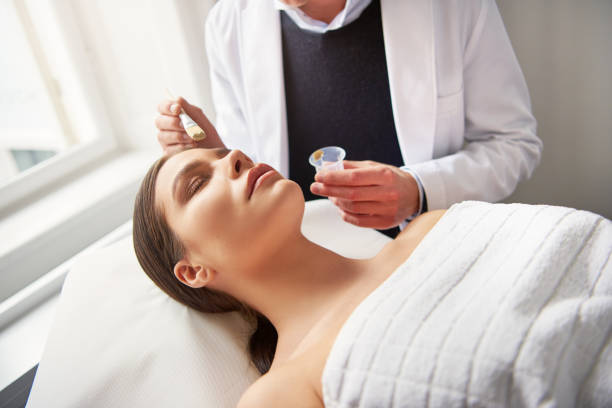
Professional AHA peels can have concentrations up to 30% or more and should be administered by a licensed practitioner. As these treatments penetrate deeply and produce more immediate and dramatic results, a typical interval between sessions extends to 1 every 4-6 weeks, with a longer post-treatment recovery period being essential.
It’s important to match these recommendations to individual client’s needs, which may vary depending on the specifics of their skin and lifestyle. The table below showcases a suggested framework for AHA treatment frequency:
| Skin Concern | Product Concentration | Frequency |
|---|---|---|
| General Exfoliation | 5-10% (Home use) | 2-3 times a week |
| Texture Improvement | 10-15% (Spa level) | Once every 1-2 weeks |
| Deep Exfoliation | 20-30%+ (Clinical) | Once every 4-6 weeks |
| Acne and Oil Control | Varied | Tailored to skin response |
Adjustments may need to be made based on the skin’s ongoing evaluation, which allows practitioners to provide responsive care that aligns with the concept of treating each client uniquely.
Customizing AHA Treatment Intervals
Each client’s skin reacts uniquely to chemical exfoliants, making it vital to customize AHA treatment intervals. Close observation of the skin’s response after AHA applications is key. Some may experience redness or peeling, which indicates a need to extend the time between treatments. Conversely, resilient skin that shows little to no adverse reaction can maintain or increase treatment frequency cautiously. Skincare professionals should track each client’s progress and adjust the schedule to optimize results without compromising skin health.
When adjusting treatment frequency, it’s essential to proceed with care. For instance, if the client’s skin begins to exhibit increased sensitivity or signs of over-exfoliation, such as dryness or flakiness, it might be necessary to:
- Decrease the frequency of AHA applications.
- Switch to a product with a lower concentration of AHAs.
Regular follow-ups with the client will ensure that any necessary adjustments are timely and appropriate, and it helps in building a trusting relationship where the client feels their skin health is truly being looked after.
Pre-Treatment and Post-Treatment Care
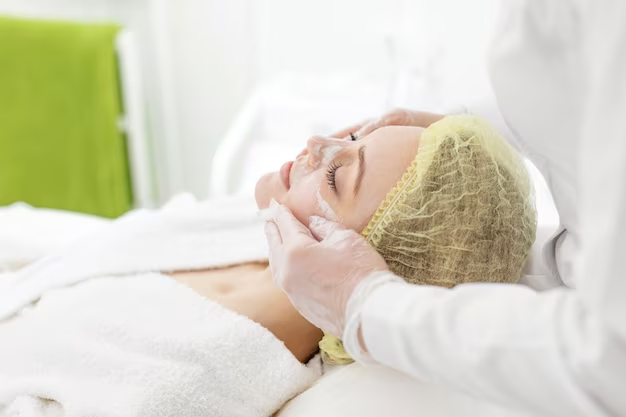
Optimal results from AHA treatments are not just about the treatment itself but also about effective pre-treatment and post-treatment care. Clients should be advised to prepare their skin by using gentle cleansers and avoiding any products that may sensitize the skin further right before an AHA treatment. After an AHA treatment, the skin will be more vulnerable, so it is essential to soothe and protect it with appropriate moisturizers and sun protection. Moreover, clients should be informed about the importance of sunscreen, as AHAs make the skin more photosensitive.
Hydration and repair are crucial elements in a post-AHA treatment routine. Using products rich in hyaluronic acid, ceramides, and other barrier-supporting ingredients can help promote healing and maintain skin moisture. Clients should also be reminded to avoid excessive heat and sun exposure, which can exacerbate irritation or hinder the healing process.
Common Misconceptions About AHA Treatments
There are various misconceptions surrounding AHA treatments that can lead to misuse or unfounded fears. One such misconception is that more frequent and higher concentration AHA applications will yield better results. This is not only untrue but can lead to over-exfoliation, skin barrier damage, and increased sensitivity. It’s crucial to educate clients that the goal is skin health, not simply peeling or immediate results.
Another common myth is that AHAs thin the skin. In reality, when used correctly, AHAs can actually promote collagen production, thickening the dermis over time. Proper education helps dispel these myths and empower clients to use AHA treatments safely and effectively.
AHA Treatments and Long-Term Skin Health
For long-term skin health, AHAs can be an excellent maintenance tool, prompting regular cell turnover and promoting a youthful complexion. However, treatment plans should not remain static. As a client’s skin changes with age, lifestyle, or environment, so too should their AHA treatment frequency. Evaluating the skin’s condition and treatment goals during regular check-ins help in adjusting plans to maintain optimal skin health.
Real-Life Examples of AHA Treatment Schedules
Real-life examples offer valuable insights into how AHA treatment schedules can be structured. For instance, clients with mature, sun-damaged skin might start with bi-weekly 10% glycolic acid applications, increasing to weekly sessions as tolerated. Conversely, younger clients with acne-prone skin might benefit from starting with weekly applications and adjusting based on their skin’s response.
Advanced Considerations for Skincare Professionals
As skincare professionals, it’s important to stay informed on the latest research and product developments. This includes understanding how to integrate new AHA formulations into treatment plans and recognizing when it’s appropriate to use multifunctional products that combine AHAs with other beneficial ingredients. Further, professionals should be adept at recognizing when a client’s skin is not responding to treatments as expected and have the knowledge to adjust the course of action accordingly.
Conclusion and Key Takeaways
AHA treatments are a powerful part of any skincare routine when used appropriately. The key to recommending the right frequency for AHA treatments lies in a personalized approach that considers the client’s skin type, concerns, and how their skin responds to the treatment. Starting slow, monitoring progress, and adjusting as needed can lead to the best outcomes. Emphasizing clear communication and education ensures that clients are not only receiving personalized care but are also empowered to manage their skincare routines effectively.
FAQs
- How much time should elapse between professional AHA peel applications? Typically, professional AHA peels should be spaced 4-6 weeks apart. However, the exact time can vary based on the peel’s strength and the individual’s skin response.
- Can overusing AHAs damage your skin? Yes, overusing AHAs can lead to over-exfoliation, which can damage the skin barrier, leading to irritation, increased sensitivity, and susceptibility to UV damage.
- Why are AHAs making my skin more photosensitive? AHAs work by removing the top layer of dead skin cells, revealing newer, less protected skin. This newly exposed skin is more vulnerable to UV rays, thus increasing photosensitivity.
- How long after starting AHA treatments will I see results? Results can vary, but many clients start to see improvements in skin texture and brightness within a few weeks of consistent and correctly spaced AHA use.
- Is it safe to use AHA treatments during pregnancy? It’s important for pregnant women to consult with their healthcare provider before using AHA treatments, as certain skincare ingredients are not recommended during pregnancy.