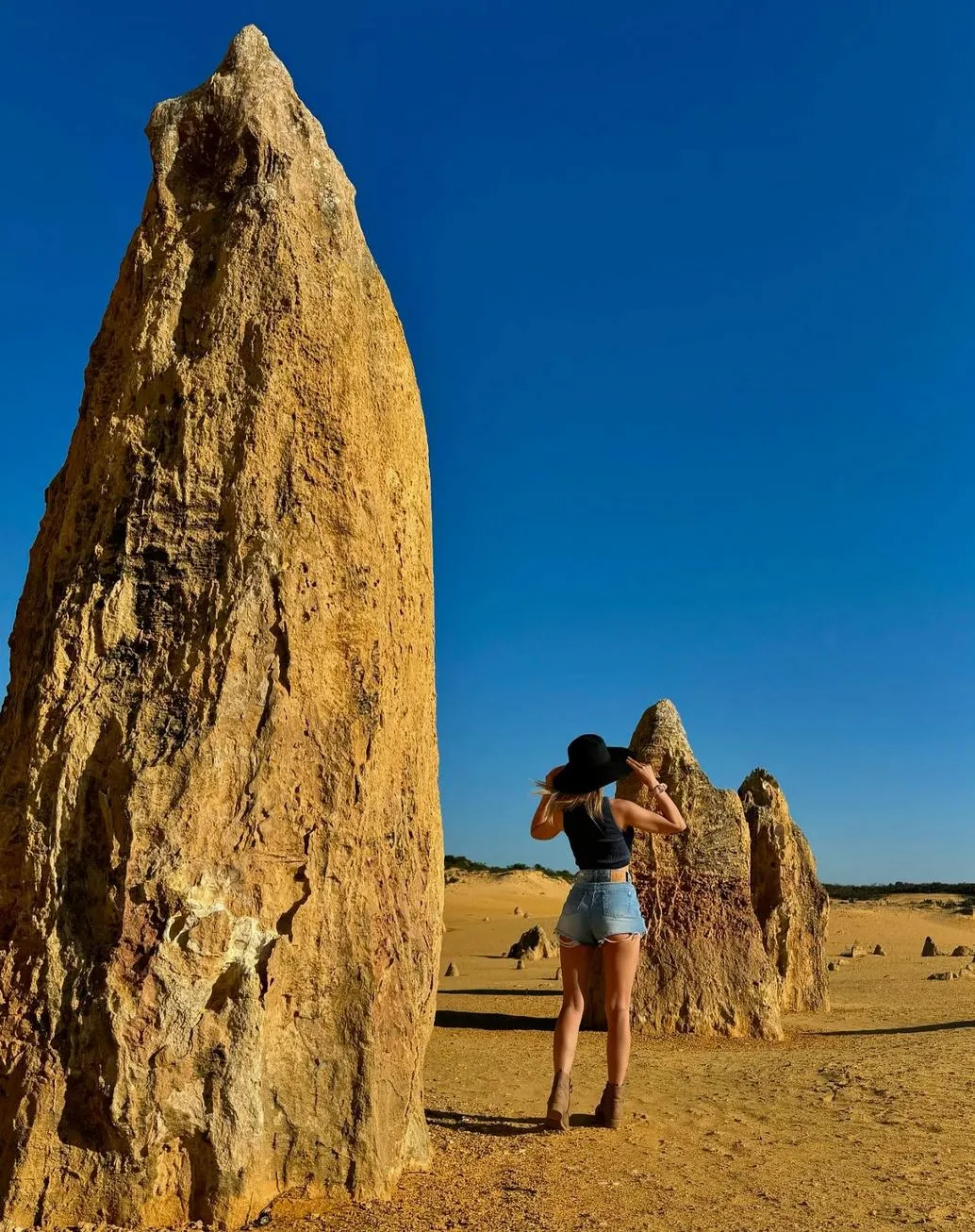
The Pinnacles in Nambung National Park are one of those places that sparks debate before you’ve even left Perth: do you really need hiking boots? I’ve spent many hours wandering those yellow sands, weaving between the iconic rock formations, and I can tell you upfront — it’s not the kind of trek where you’ll be bush-bashing through spinifex. But there are some things you’ll want to consider before you lace up your shoes. In this article, I’ll break down the conditions, the terrain and the practicalities so you can decide what’s best for your own feet. And yes, I’ll throw in a few yarns from the road.
What Kind of Ground Are You Walking On?
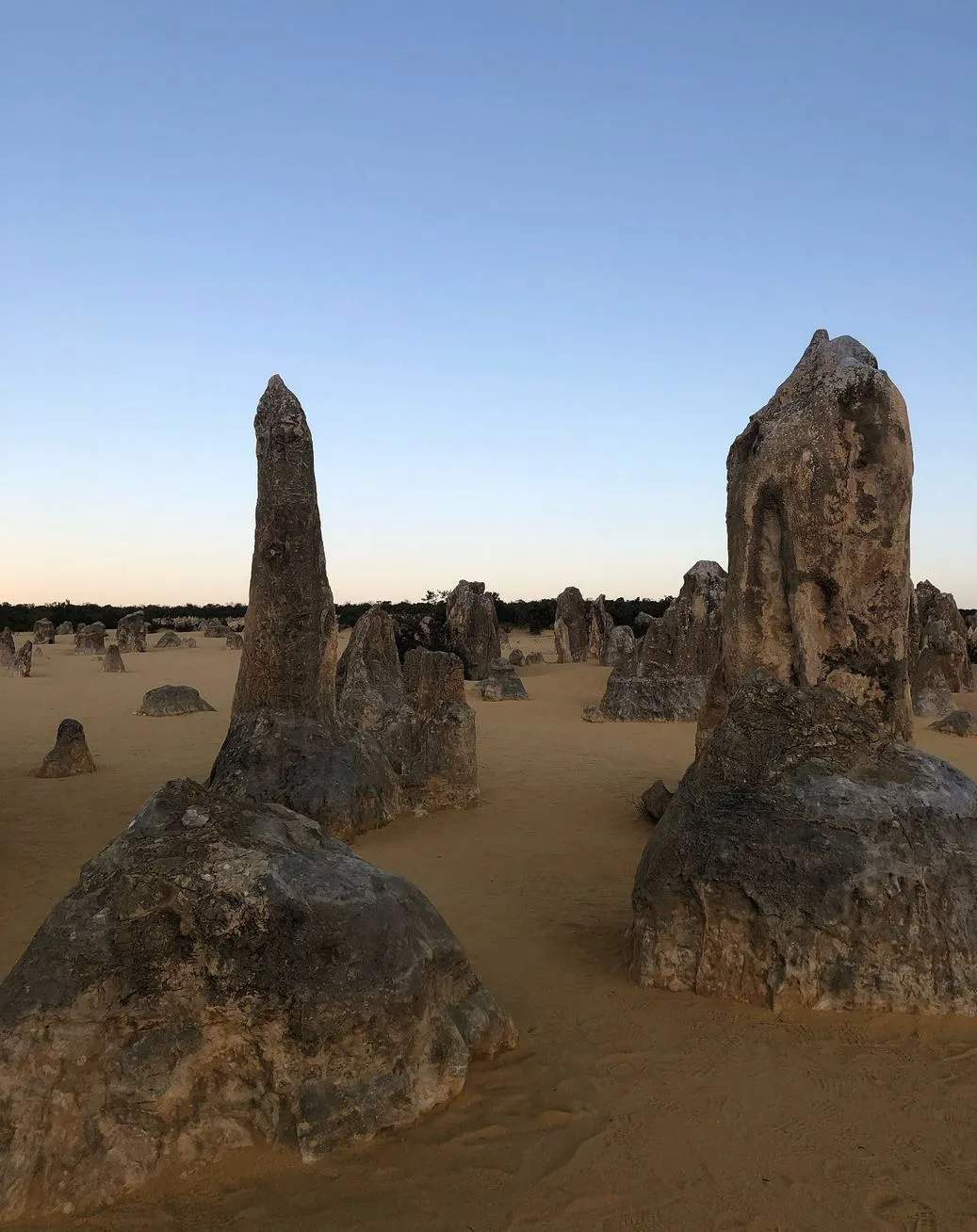
The Pinnacles aren’t your typical hiking trails. Imagine endless sand plains, scattered with eerie limestone spires that rise up like something from another planet. The walking surfaces are mostly compacted sand and gravel, with a few soft patches where your feet sink in a bit. You’re not climbing steep escarpments or scrambling over loose scree — but it can still get tiring if you’re not prepared. Scenic trails crisscross the area and while most are easy, the sand can get into your shoes and cause irritation.
A key thing to consider is sand. Sand wears you down faster than you think, especially if you’re going to be wandering off the main loop to have a look at the limestone formations. Sand in your shoes can be annoying, and sand under unsupported feet can be more tiring than a proper hiking track. On my last Perth Pinnacles Tour, I noticed how quickly even experienced walkers started to slow down once the sand started to swallow their steps.
Do Hiking Boots Actually Help Here?
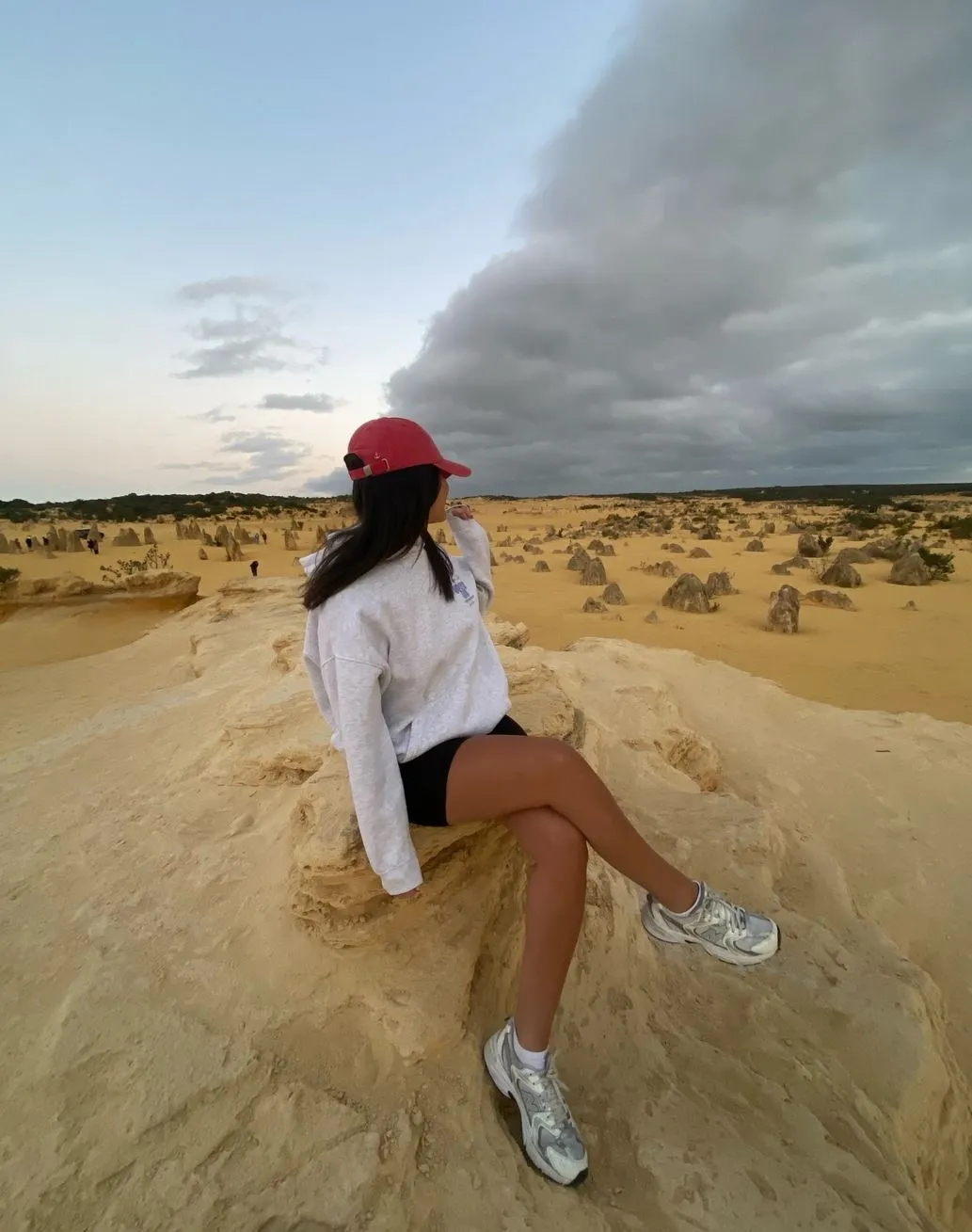
Hiking boots give you ankle support, grip and a barrier against sharp or hot surfaces. At the Pinnacles, ankle support is less important because the terrain isn’t technical. What’s more useful is the protection from heat — sand in WA can heat up fast under the sun and even in the shoulder seasons, it can feel like a frying pan by midday. Boots stop you from getting a hot foot when you’re off the boardwalks. On the other hand, boots can feel like overkill here. Many travellers are happy in lightweight trail shoes, hiking shoes or even sturdy runners. If you’re driving the loop track and just getting out for short walks, boots are not necessary. But if you’re the type who wants to spend a couple of hours walking, boots or at least solid trail shoes make the experience much more comfortable.
Footwear Options
| Footwear Type | Pros | Cons |
|---|---|---|
| Hiking boots | Good heat protection, durable, less sand in socks, stable footing | Can feel hot and heavy, more than you need for short walks |
| Hiking shoes | Lighter than boots, decent grip, cooler in heat | With less ankle support, sand can still sneak in |
| Trail running shoes | Lightweight, breathable, good grip, easy for walking loops | Sand seeps in more easily, with less protection from heat |
| Runners/sneakers | Comfortable if short walks only, most people already own them | Poor grip on loose sand, wear down quickly, and less protection |
| Sandals/thongs | Easy to slip on, fine for car stops | Hot sand burns, zero protection, lots of grit underfoot |
What Locals and Tourists Actually Wear
When I bring groups to Nambung National Park, I see a mix of choices. About 40% wear trainers, 30% hiking boots and the rest sandals, hiking shoes or trail runners. According to Tourism WA visitation stats, over 190,000 people visit the Pinnacles each year and most don’t treat it like a hard hike. The boardwalks and car park loops make it accessible for everyday footwear.
That said, I’ve had people regret their thongs within minutes of stepping onto the hot sand. I’ve also seen tourists in city flats struggle when the sand swallowed their heels. Boots might not be essential but they do save you from rookie mistakes. On one Perth Pinnacles Tour I led, a family turned up in slip-ons and ended up buying socks at the Visitor Centre gift shop just to make the walk bearable.
Timing Your Visit: Footwear and Weather
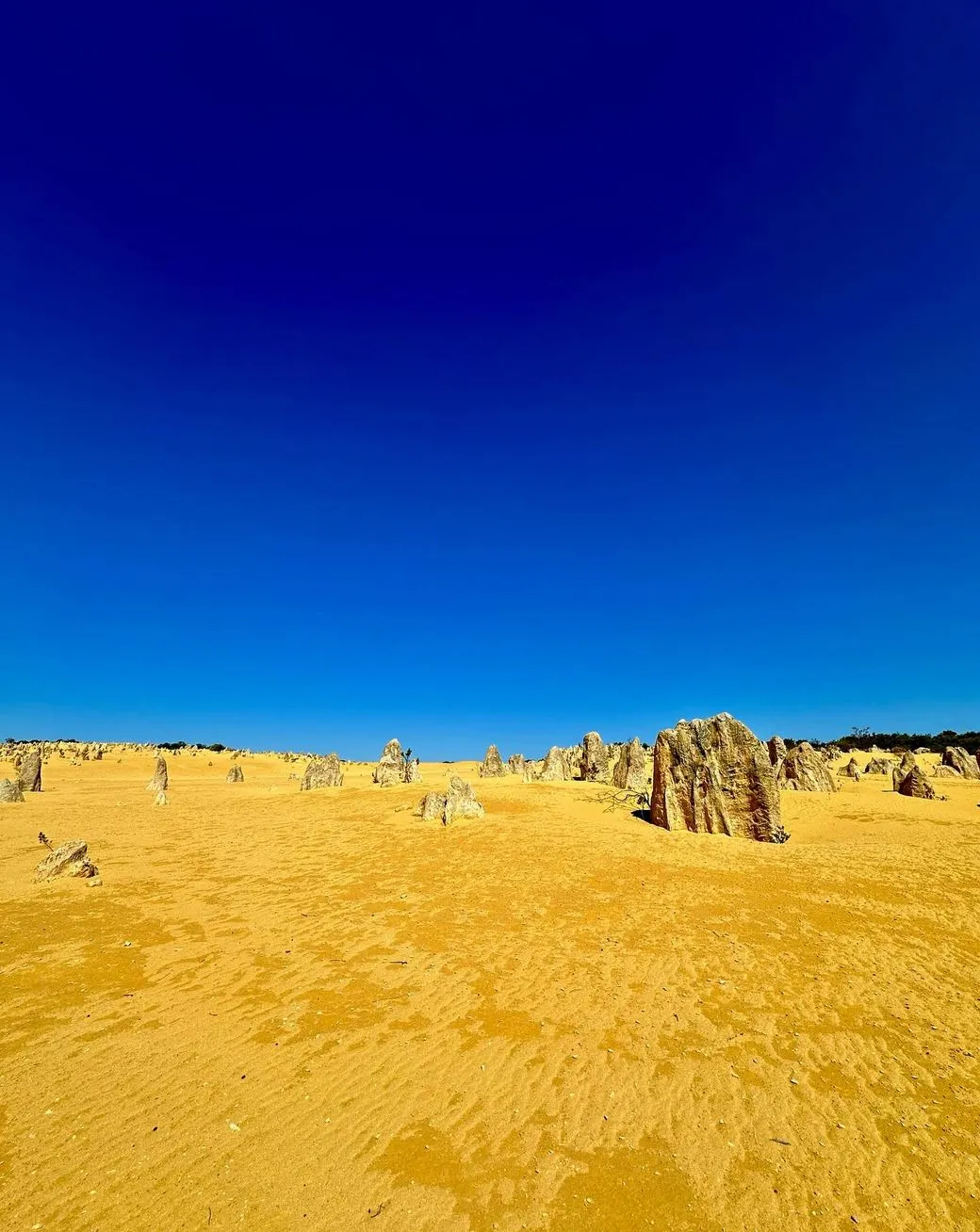
In the cooler months (May–September), the sand is firmer, the temps are kinder and trainers do the job nicely. But from October to April the heat ramps up and the sand bakes. If you’re visiting in summer, the case for boots or trail shoes is much stronger. A good hat, sunblock and plenty of water matter just as much as your shoes.
In winter you may get drizzly days. Sand drains quickly but the carpark and edges can get muddy. In that case boots with a bit of waterproofing help. And if you’re staying through golden hour for photos the temperature can drop sharply so a jacket and warm shoes are wise.
Walking vs Driving
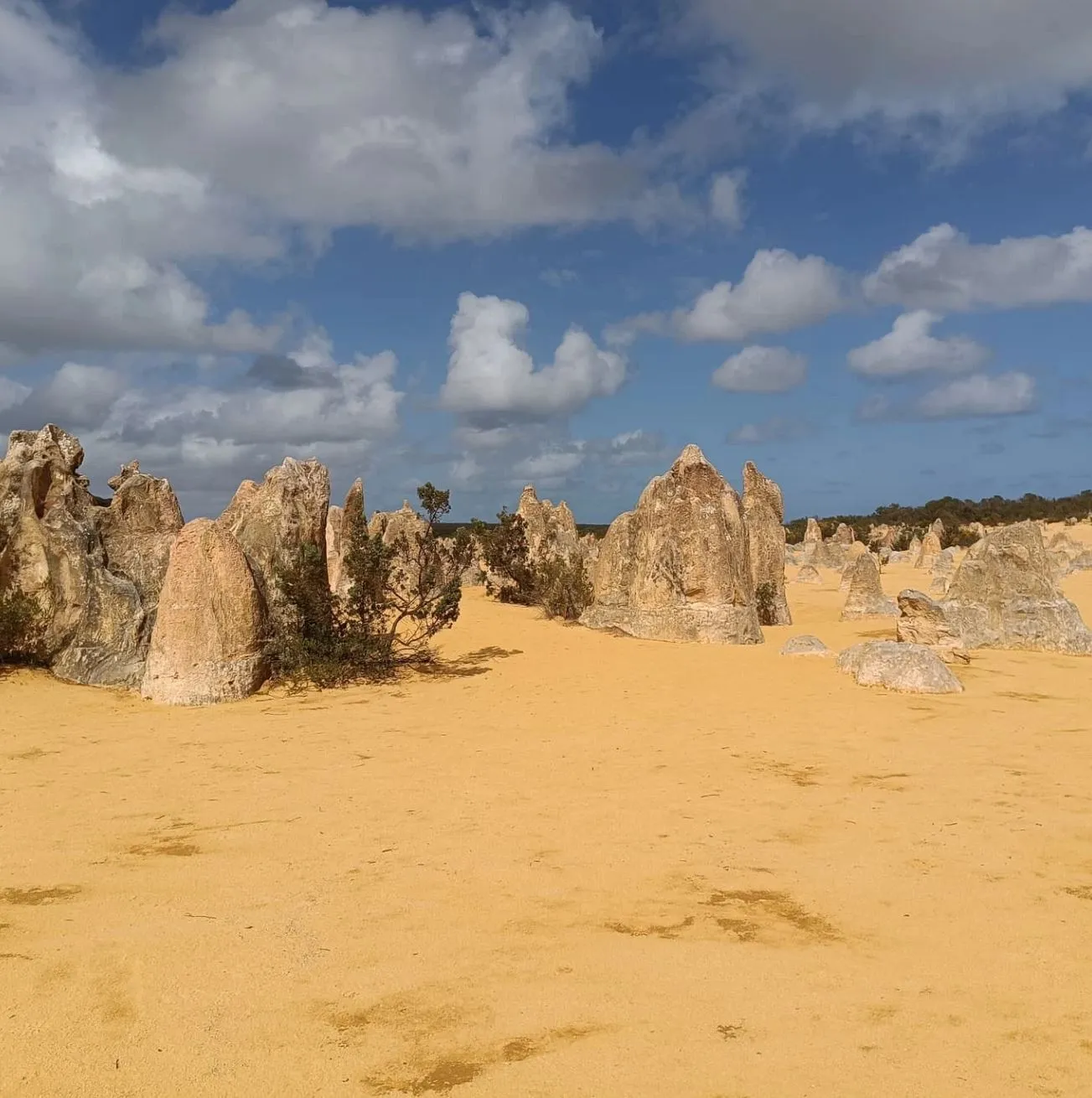
You don’t have to walk the whole Pinnacles Desert area to appreciate it. The 4.5 km drive loop goes through the desert and there are plenty of spots to pull over and get out for photos. If you’re only doing the drive and short lookouts, runners or sandals are fine. But if you’re planning to walk the full loop on foot (about an hour), boots, hiking shoes or trail runners pay off.
Here’s a rough guide:
Driving only: sandals or sneakers fine
Short walks (10–20 mins): sneakers, hiking shoes or trail runners best
Longer exploring (1–2 hrs): hiking boots or trail runners recommended
You can choose to drive, walk or a bit of both with operators like Pinnacles Tours.
Packing List
If you’re driving up from Perth (about 2 hours north), don’t just think about your shoes. A few other things will make the day more comfortable:
- Sturdy shoes (see above)
- Hat and sunglasses
- Sunscreen (reapply — it’s easy to forget in the desert)
- 1–2 litres of water per person
- Snacks if you’re walking
- Camera or phone for the otherworldly shots
- Jacket in winter (winds howl across the desert)
- Stop at the Pinnacles Visitor Centre for maps and updates
Local Knowledge: Traditional Owners and Respect
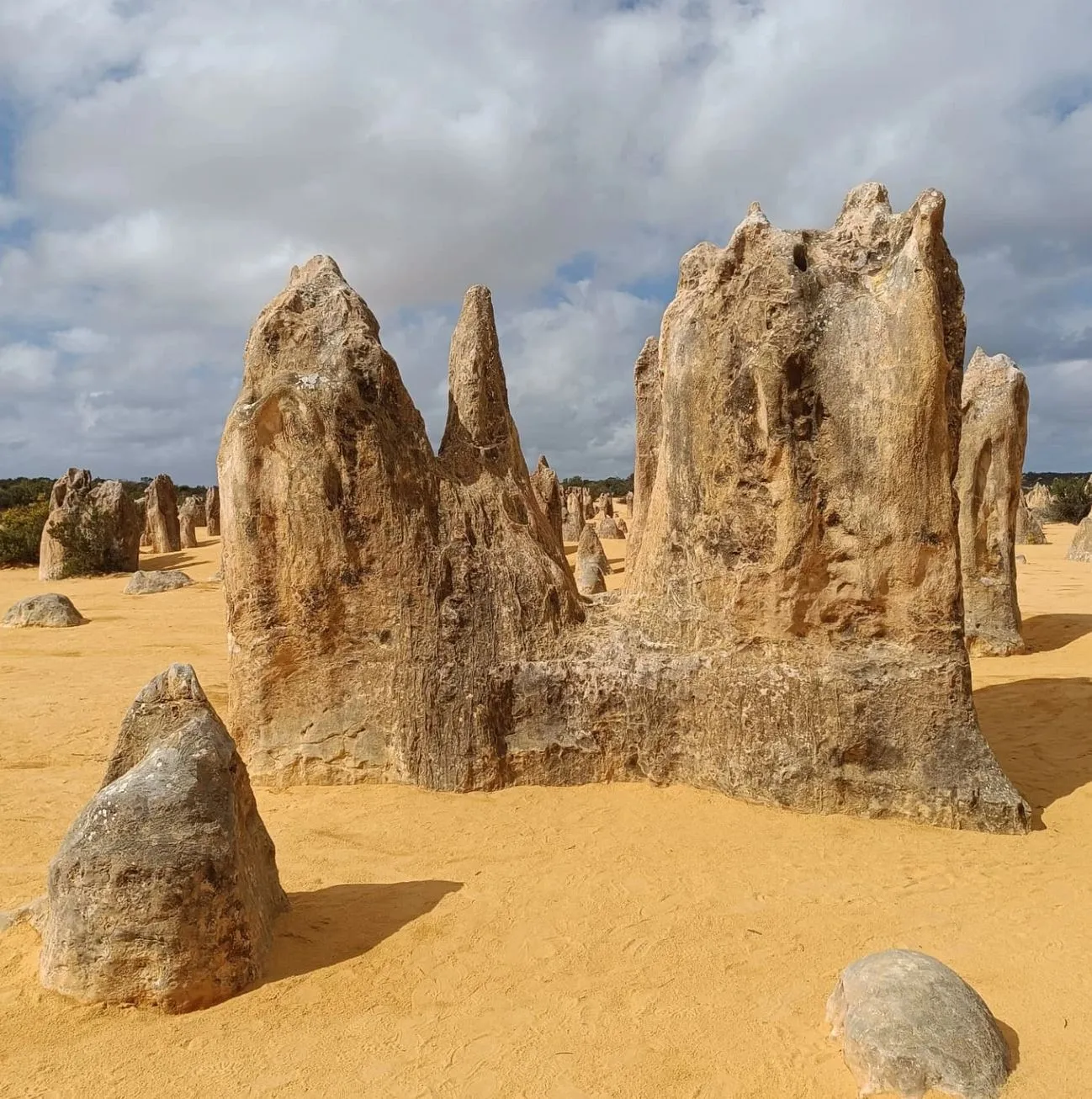
The Pinnacles Desert is within Nambung National Park, Country of the Yued people of the Noongar nation. The spires have cultural significance, tied to Dreaming stories that explain their presence in the desert. As visitors, please respect the place — stick to paths, don’t climb on formations, and take the time to read the signs at the Discovery Centre. The Department of Conservation has guidelines on site use, camping rules and water availability.
Camping
There’s no camping inside the Pinnacles Desert itself, but nearby areas offer plenty of camping options. Around Cervantes you’ll find:
- Tent camping with walk-in sites and fire rings
- Group sites for families or clubs
- Glamping if you prefer a bit of luxury
Hydro Camp and Pinnacles Hut are well known among travellers as reliable bases with facilities. Staying close by means you can get in early morning or at golden hour for the best light on the rock formations. On my last Perth Pinnacles Tour we camped nearby and the sunrise drive back into the desert was magic.
A Personal Story: The Wrong Shoe Choice
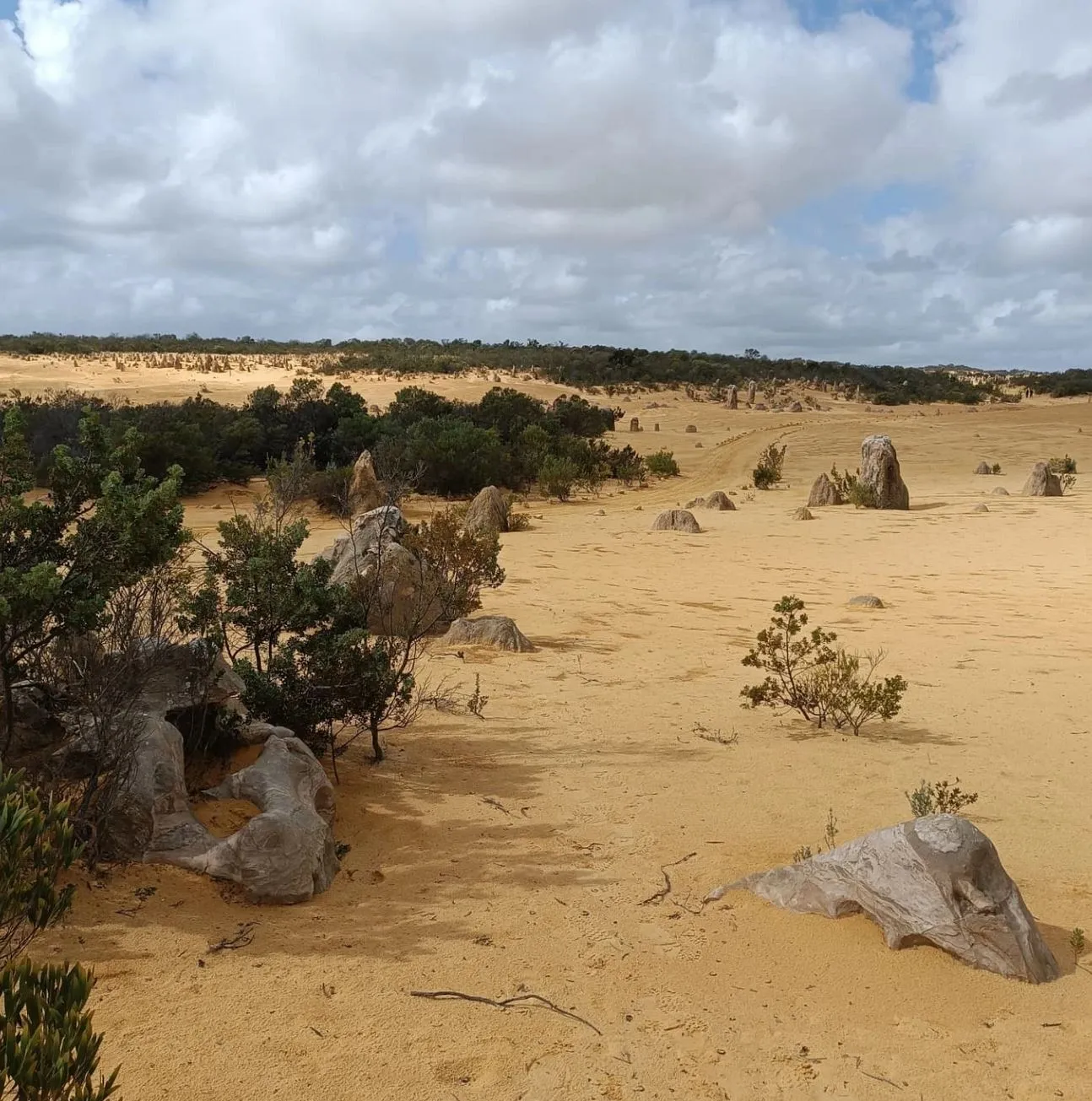
The first time I guided a group here one bloke from Germany turned up in Birkenstocks. We’d barely walked 10 minutes before he was hopping from foot to foot, yelping about the hot sand. He ended up jogging back to the bus, cursing his shoe choice. It was funny at the time but it hammered home how brutal WA sand can be on the wrong shoes. Lesson: the Pinnacles might look easy but don’t underestimate it.
Final Thoughts: My Advice for Your Visit
Do you need hiking boots for the Pinnacles? No. But are they a good idea for comfort, especially if you’re walking the loop in summer? Yes. It’s all about matching your footwear to your style of visit. If you’re just popping out of the car for a quick photo, your runners will be fine. If you’re wandering the desert for a few hours, boots or solid trail shoes are your best friends.
The Pinnacles might not require hardcore hiking gear, but like anywhere in the Aussie outdoors, smart preparation makes all the difference between a quick stop and a great day out. Whether you book with Pinnacles Tours, bring your own car or join a Perth Pinnacles Tour, remember: what you wear on your feet sets the tone for your whole day.
FAQ
Can I wear thongs?
You can, but you’ll probably regret it — hot sand, grit and no support makes it uncomfortable within minutes.
Are hiking boots too much for the Pinnacles?
Not necessarily. They may feel like overkill if you’re only doing short walks, but they’re comfortable and protective if you’re walking further.
Do I need special gear to walk the Pinnacles loop?
No permits or technical gear required. Just decent shoes, water sorted and sun protection.
Is it safe to wear runners in summer?
Yes, but the heat of the sand can seep through thinner soles. Trail shoes or hiking shoes with thicker soles handle it better.
What’s best for kids?
Closed shoes like sneakers, trail shoes or light hiking shoes are best — easy to walk in and keep the hot sand off little feet.