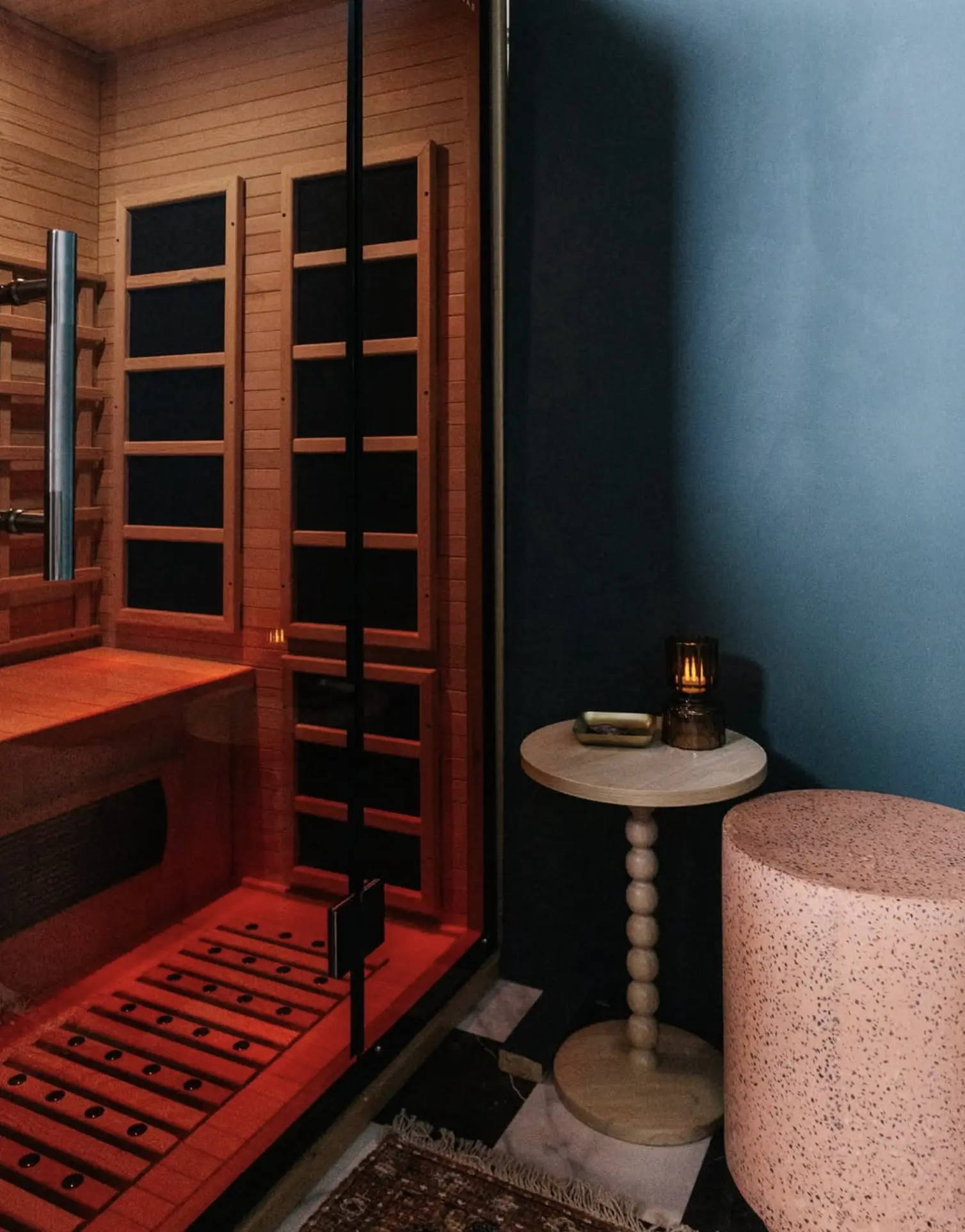
When writing “What Does An Infrared Sauna Do For Your Body?,” I’ve seen firsthand how infrared heat therapy can take a tired, stressed, or inflamed body & turn it into one that feels softer & a whole lot more balanced. Unlike traditional saunas that just blast you with hot dry air, infrared saunas use infrared light and all those lovely far infrared waves to gently heat up your core body temperature from the inside – & your body just loves it.
The short & honest answer is this: an infrared sauna not only boosts blood circulation & sorts out your cardiovascular health, but it also helps your body heal naturally, eases joint pain & muscle recovery, and gets your immune system working properly – with nary a bad side effect in sight. And living in a place like Brisbane, where our bodies are constantly fighting against humidity, UV exposure & stress, the difference you feel can be pretty striking.
How Infrared Heat Actually Works In The Body
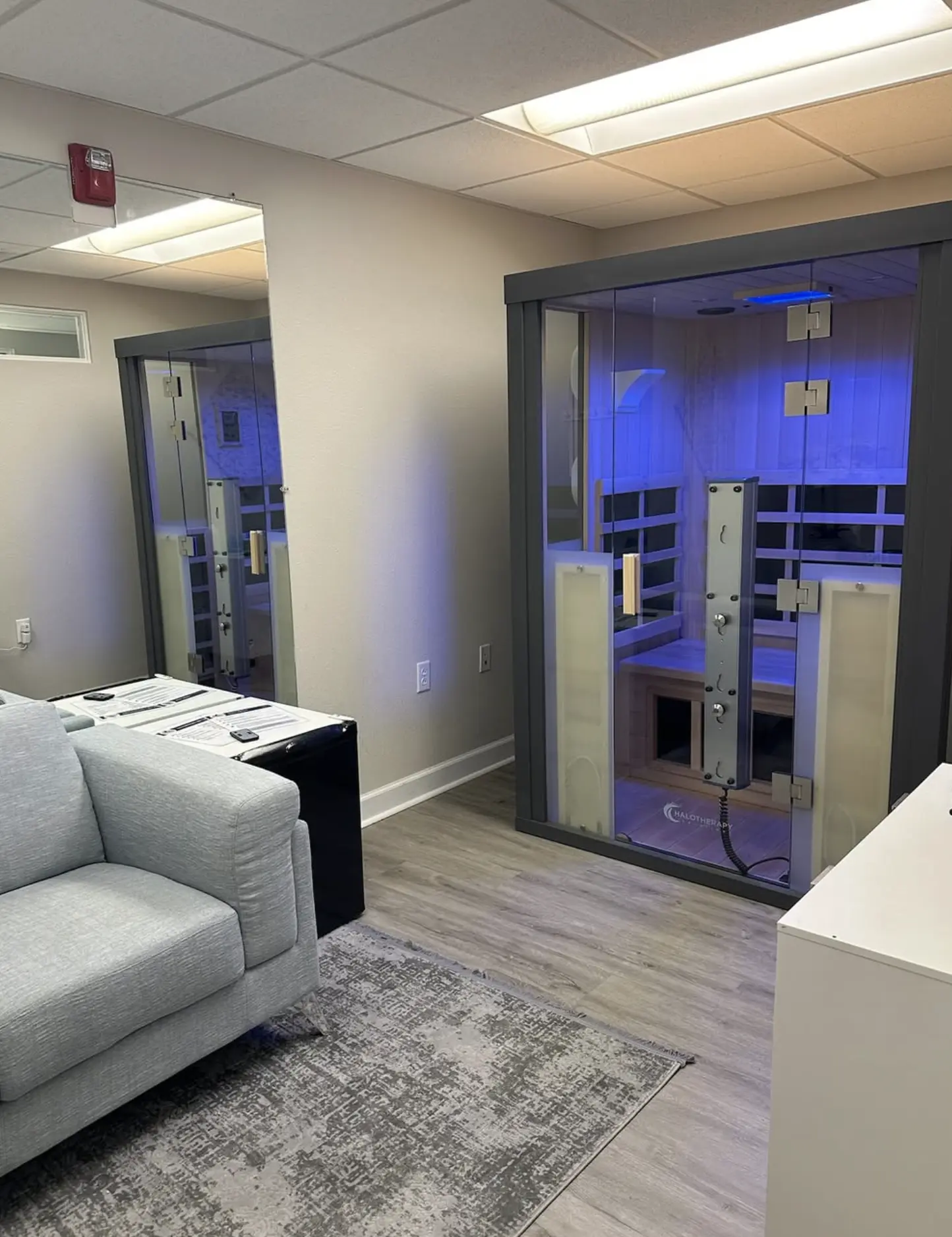
Infrared rays penetrate beneath the surface of your skin & start warming up your muscles, fascia & all that other important tissues, even deeper than traditional sauna baths. Which is probably why so many of my clients at The Facial Hub facial studio swear that infrared feels totally calming from the inside out – especially when you pair it with a nice relaxing body ritual. And these infrared wavelengths – ranging from near infrared to mid infrared to far infrared – just take their sweet time warming you up from the inside. Not blasting you with hot heat.
Because the warmth is precisely calibrated to target the water molecules & tissues inside your body, your blood starts flowing more effectively, & your cardiovascular system begins functioning as it does after some light exercise. In studies on infrared therapy, heart rate goes up by 7-10%, blood pressure goes down just a tad, & heat shock proteins get activated – all of which helps with recovery & just generally being resilient.
Why This Matters For Real Bodies
This slow & low-key warming thing is what makes infrared fans say it’s like “soft but powerful“. Your lymphatic system starts working more efficiently, white blood cells get to circulate more freely, and your core temperature rises just enough that even people who are sensitive to heat can usually handle it.
Some reviews conducted in 2025 also found that infrared therapy improved insulin sensitivity and led to a small reduction in cholesterol levels among regular users.
Benefits Your Body Feels First
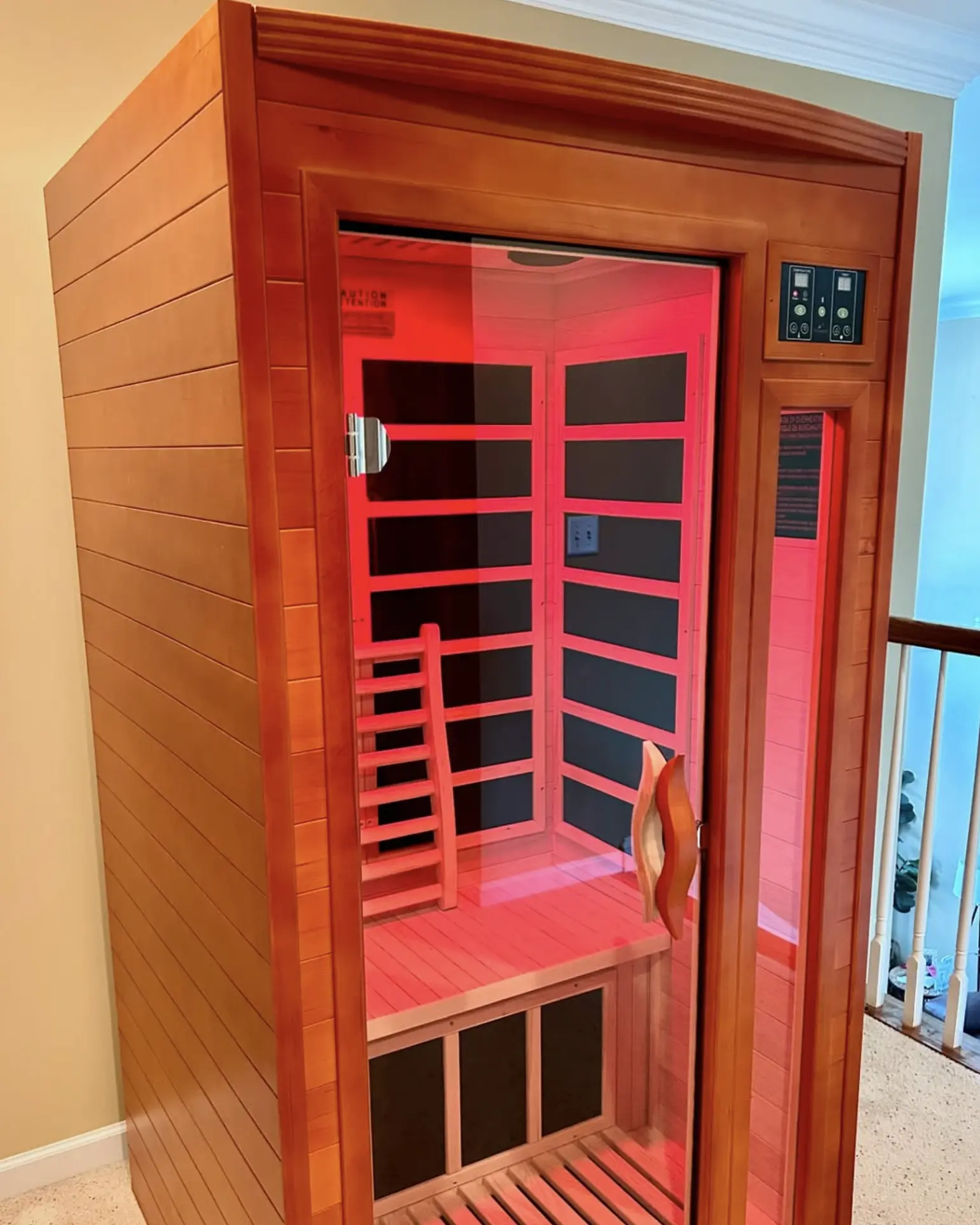
Infrared heaters – usually the carbon or ceramic types – put out far infrared waves that leave a lot of folk feeling they have a more calming and therapeutic experience than the intense blast of traditional saunas. These are the benefits people typically notice quickly.
- Improved Circulation And Oxygen Delivery
Infrared heat dilates your blood vessels and increases circulation, which helps deliver nutrients to your cells, encourages cell repair, and boosts your metabolic rate. Better circulation helps maintain steadier blood pressure and improves oxygen delivery to tissues. - Muscle Relaxation And Pain Relief
If you’re one of the people who suffer from chronic muscle problems, joint pain, or rheumatoid arthritis, infrared heat can soften tissues deep inside.
The warmth it provides supports healing and reduces stiffness, making it easier to recover from high-intensity training sessions. It’s also used by many athletes to support regeneration. - A Detox-Supportive Sweat
The gentle, slow rise in core temperature encourages your body to sweat, which can help it flush out water-soluble waste and heavy metals.
Now, we all know the “detox” word gets misused a lot in wellness marketing – but sweating is still a real thing that happens in your body, and infrared heat lamps just give you the chance to sweat more comfortably. - Nervous System Regulation
Using infrared heat therapy can help reduce cortisol levels and influence your melatonin levels (your natural sleep hormone), helping you wind down more deeply. When your nervous system calms down, your skin health, digestion, and mood tend to improve.

What Research Says: The Real, Measurable Effects
Okay, we’ll cut to the chase with a table summarising the evidence from thermal & infrared therapy studies from 2019 to 2026. These effects recur in clinical trials using near-infrared light, mid-infrared heat, and far-infrared systems.
Evidence Snapshot
| Body System | Documented Effect | Infrared Mechanism | Typical Sensation |
|---|---|---|---|
| Cardiovascular health | HR ↑ 7–10%, blood pressure ↓, improved vessel flexibility | far-infrared radiation warms inner tissues | gentle warmth, light pulse increase |
| Musculoskeletal | pain relief, muscle recovery, joint mobility ↑ | infrared heat penetrates fascia & muscle fibres | looseness, relief |
| Lymphatic & Immune System | waste removal ↑, white blood cells activation | radiant energy + increased core temperature | lighter, less bloated |
| Skin health | collagen production ↑, skin rejuvenation, cell growth stimulation | near-infrared wavelengths boost cell vitality | glow, softness |
| Metabolic | metabolic rate ↑, calorie burn ↑, improved insulin sensitivity | core temperature elevation + heat shock proteins | energised, clear-headed |
Statistics show a 40% increase in feeling better about one’s well-being after 6 weeks of regular use of an infrared sauna, especially for people dealing with chronic stress or joint pain.
What Sauna Does For Your Skin (And What It Doesn’t)
As someone in the game of skin rejuvenation, I have to say that infrared therapy can certainly help with skin purification and looking a bit better – but you have to separate fact from fiction. When clients come in for facials in Brisbane with Uliana Kasperska, we often explore how infrared can complement their skin goals by gently increasing circulation and supporting deeper healing.
Infrared Does:
- Give blood flow a boost to help with collagen production
- Get oxygen and nutrients to where they need to go, so the skin can look revitalised
- Support cell health and the body’s own healing pathways
- Encourage cell repair and growth, which is helpful for wound healing
Infrared Does Not:
- Replace clinical red light therapy devices (different wavelength, very different action)
- Fix acne or pigmentation problems
- Melt fat or turn back the clock on ageing
But when paired with LED red light therapy or a tailored facial plan, infrared can significantly enhance results by stimulating circulation, hydrating the skin, and delivering the right nutrients.
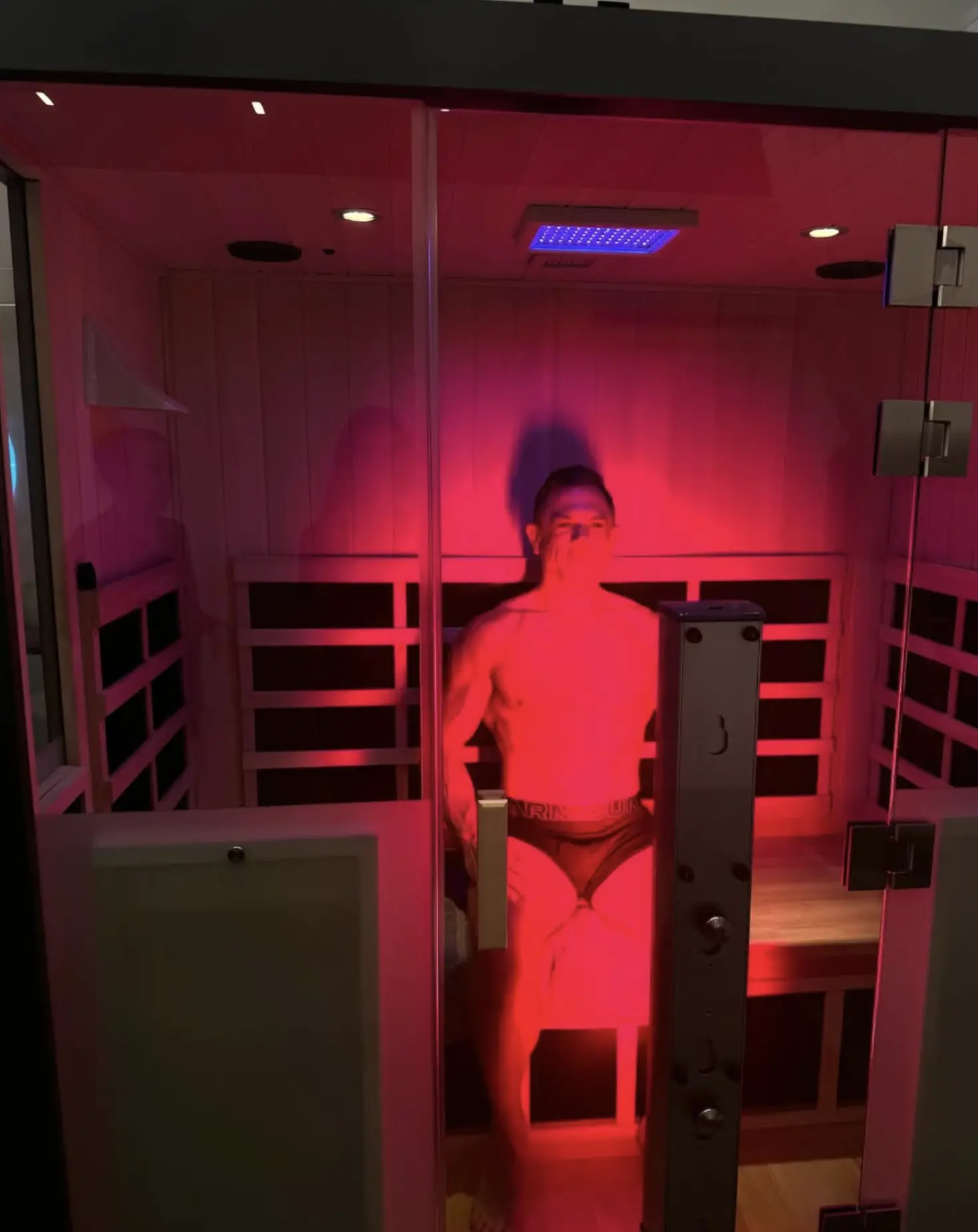
How Often You Should
You don’t need to sit in one every day – even the infrared sauna blankets often make a bit of a promise here that’s a bit too much. Let’s keep things simple and evidence-based.
The Ideal Schedule
- Beginners: Start with one session a week
- General well-being: 2-3 sessions a week is good
- Muscle recovery or pain relief: If you can handle it, 3-4 sessions a week
- Portable infrared sauna use: shorter sessions (15-25 min) recommended
When You’ll Feel A Difference
You might start to feel like you’re sleeping better, your mood is lifting, and you’re not as stiff after just a few sessions.
It’s usually a bit later – after 4-6 weeks – that you’ll start to notice the cardiovascular benefits, lower blood glucose levels and other metabolic benefits.
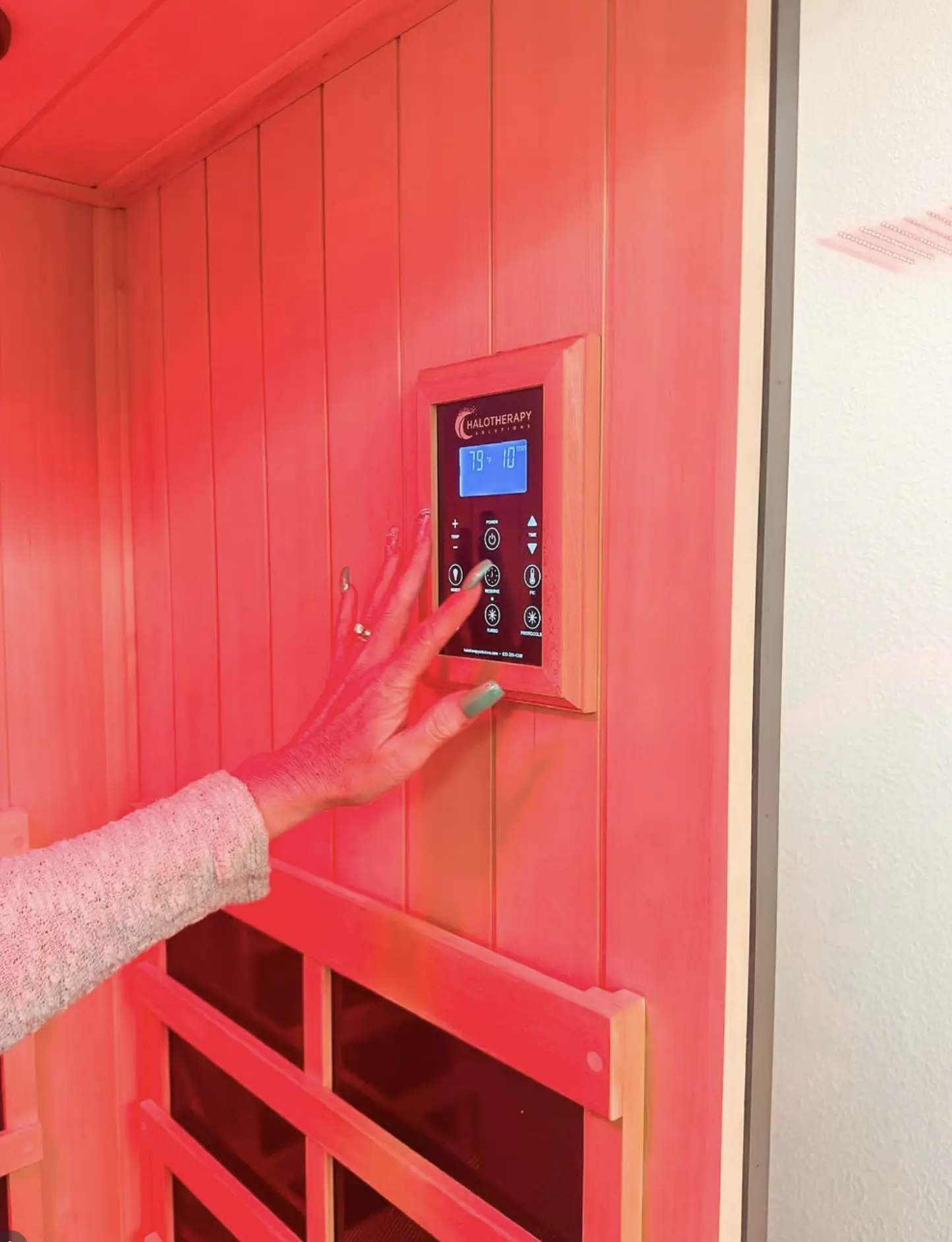
My Honest Take — And How I Use It In Studio
Infrared therapy isn’t a miracle worker, but it’s one of the most effective tools for long-term well-being, pain relief, skin health, and emotional regulation.
In my own practice at The Facial Hub facial studio, I’ve seen infrared do some amazing things for clients dealing with chronic pain, stress, inflammation, sluggish circulation, stubborn muscle recovery and poor sleep.
Used consistently – and paired with good food, gentle movement and calming rituals – it can be a real lifesaver.
FAQ
Does infrared help with inflammation and pain?
Yes. Infrared heat penetrates deep into the body, reducing inflammation, easing joint pain, and helping with rheumatoid arthritis symptoms in some people.
Can infrared saunas help with weight loss?
Indirectly. They can get your metabolism kick-started and help you burn calories, but they’re not a magic bullet for weight loss.
Is infrared better than a traditional sauna?
Infrared heating provides heat at lower temperatures, making it more comfortable and accessible. Traditional saunas can be pretty intense.
Does infrared help get rid of heavy metals?
Sweating can help the body eliminate toxins, but saunas shouldn’t replace any medical detox plans.
Are far infrared, near infrared and full spectrum infrared different?
Yes, they operate in different parts of the infrared spectrum. Full-spectrum infrared includes all three.