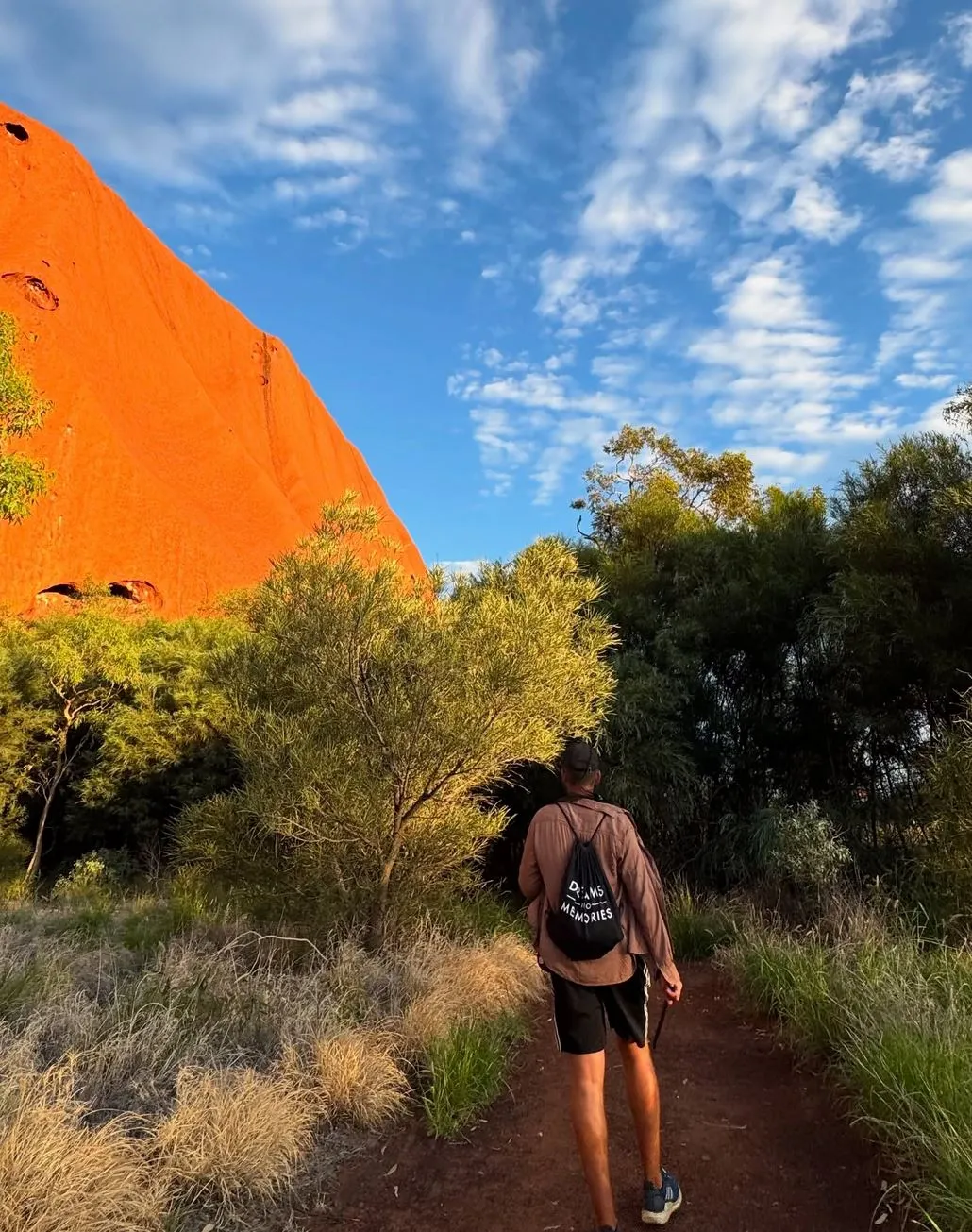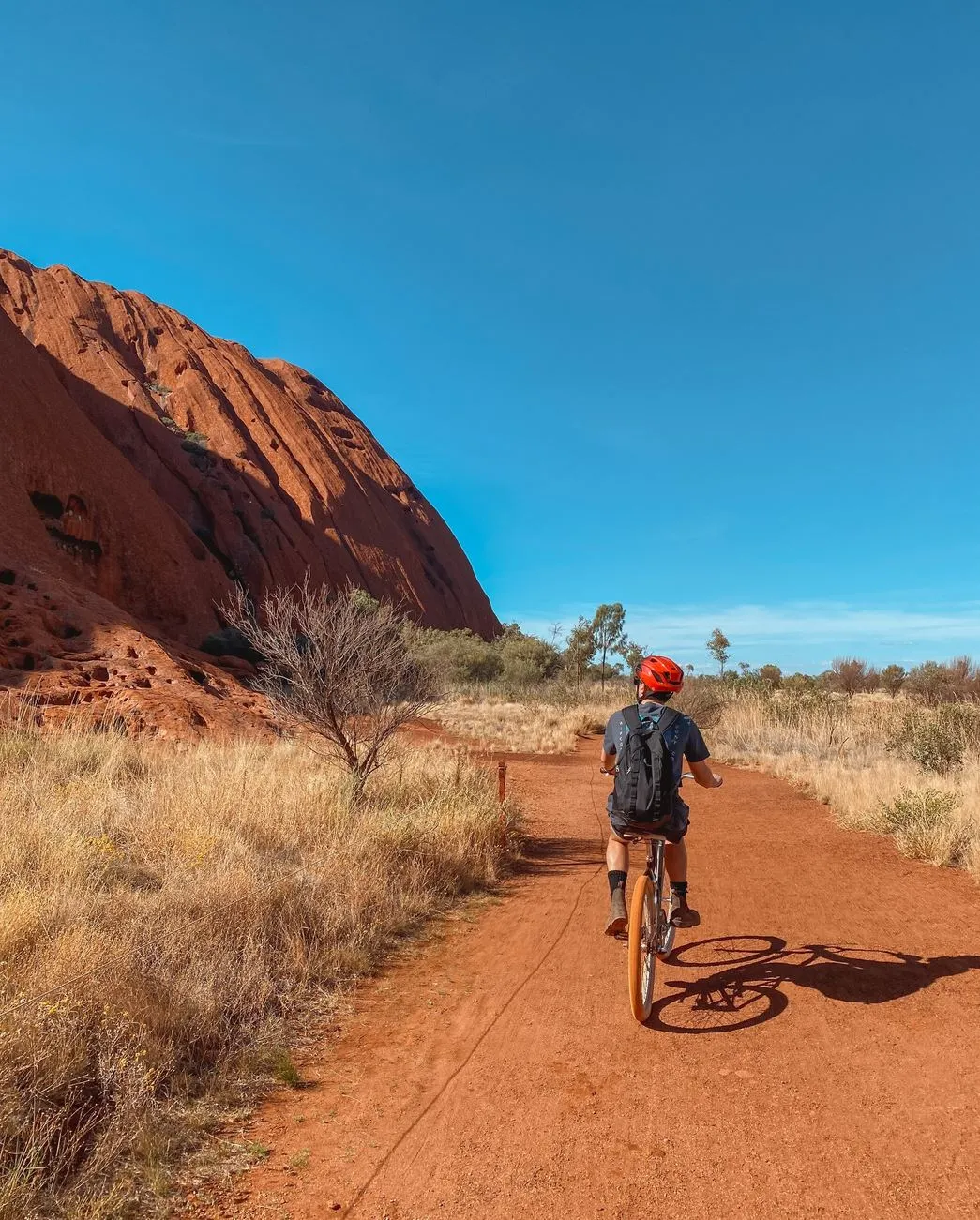
When I rocked up to the Red Centre for the first time, the first thing on my mind was – what is the Uluru-Kata Tjuta Park pass going to set me back in 2025? I’ve lost count of how many times I’ve seen travellers drive up to the entry point with no idea what’s going on, then scramble through their bags for cash as the sun beats down on them. I’m Paul Beames, and after all these years leading tours through Australia’s national parks, I can tell you this: get your pass sorted out in advance and it’ll save you a whole heap of stress, cash and ensure you get the most out of your trip.
If you’re joining a 3 Day Uluru Tour, or even just travelling solo or on a coach with Autopia Tours, you’ll need that pass in your hand. This is more than just an entry ticket; it’s your key to one of the most incredible natural wonders in Australia.
Where Your Entry Fee Money Goes
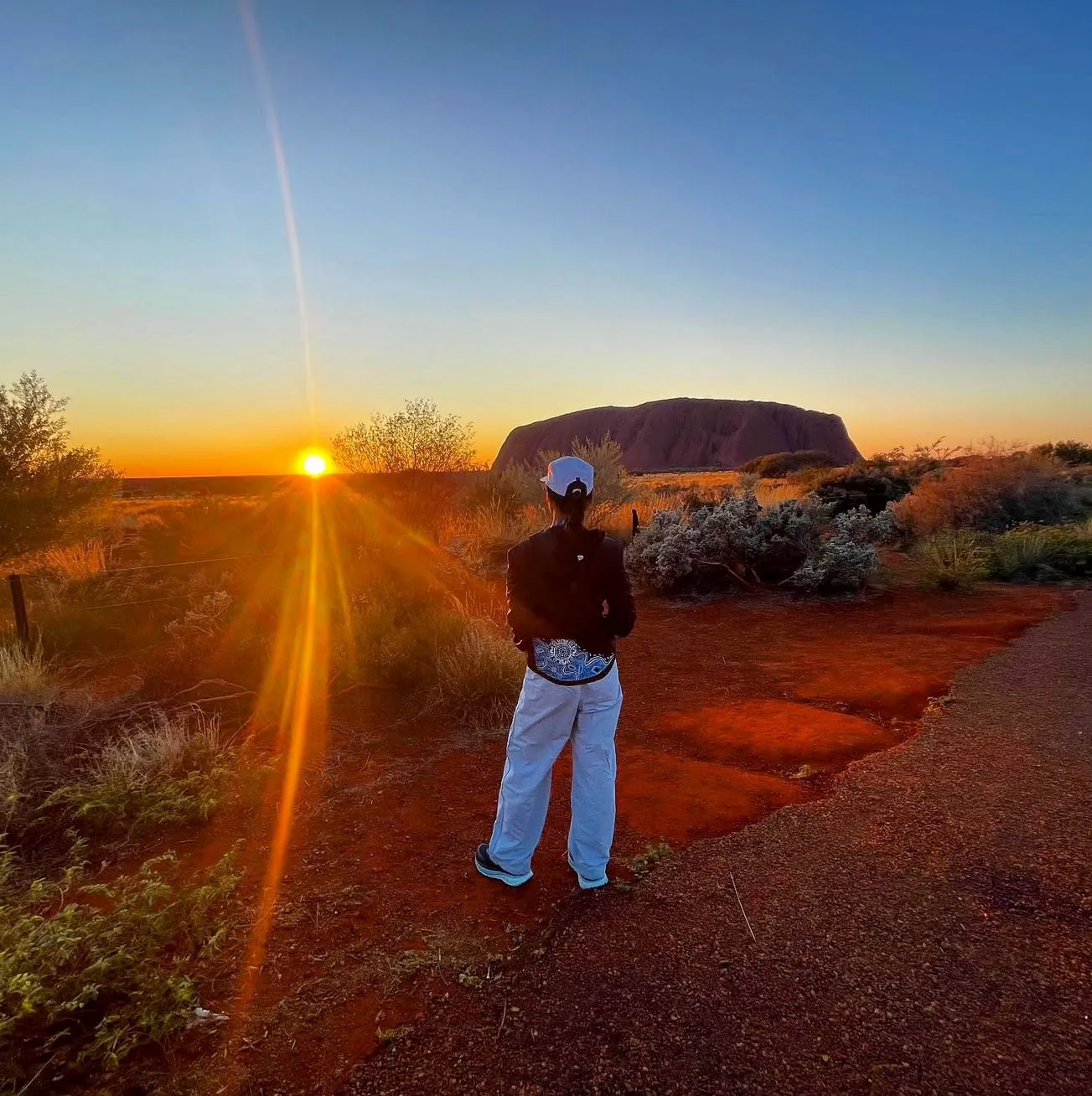
You’ll be glad to know that your money isn’t just disappearing into thin air. Every cent of that entry fee is ploughed back into looking after the park – keeping the trails in good nick, ensuring the signs are accurate, and caring for the sacred sites.
Here’s where your cash is going:
- Funding cultural programs and resources, all guided by the Aṉangu Traditional Owners
- Fixing up the walking tracks, lookouts and facilities
- Keeping on top of weeds, pests and fires
- Getting rangers to run educational programs and keep visitors safe
What you’re paying for isn’t just a ticket to get in – it’s helping to keep Uluru alive as a living, breathing cultural landscape.
So yes, coughing up at the gate might feel like just another fee to shell out – but at least this one is actually worth the money
2025 Pricing Table
| Pass Type | Validity | Price (AUD) | Notes |
|---|---|---|---|
| Adult (18+ years) | 3 consecutive days | $38 | Under-18s free |
| Adult Annual Pass | 12 months | $50 | For repeat visitors or locals |
| NT Resident Vehicle Pass | Annual (driver + passengers) | $109 | NT-registered vehicles only |
| Family Pass (if reintroduced) | Varies | Check site | Confirm current availability |
(Current as of Parks Australia – Update for 2025)
The $38 3-day adult pass has been the go-to choice for most visitors, and to be honest, it still is, whether you’re behind the wheel or hopping on a 3-day Uluru tour with operators like Wayoutback or Wildlife Tours
If you’re planning on sticking around for a bit or thinking of coming back during a different season, then the annual pass is probably your best bet at $50. And that’s actually a fair bit cheaper than a tank of fuel from Alice Springs to Yulara.
Has There Been a Price Hike in 2025 – Don’t Worry
Not this year – at least not yet – as far as we know.
The prices for the Uluru-Kata Tjuta park passes have stayed the same since that adjustment they made back in 2021. I know some tourism operators in the region have increased their tour prices due to rising fuel and staffing costs, but Parks Australia has kept the main entry fees unchanged for now.
A quick rundown of the prices is this:
- The standard pass for adults still comes in at $38 for 3 days (no change from 2021)
- The annual pass is $50 for adults for 12 months of the year
- Kids under 18 get in for free
- If you’re an NT resident, then the NT vehicle pass is $109 per year
Just something to keep in mind – some tour companies like Autopia include the park pass in the overall cost of their trip, especially if you’re coming along on a multi-day tour. So if you see a slightly higher package price, then it’s likely the park entry fees have already been factored in
Buying Your Pass – Online or at the Gate
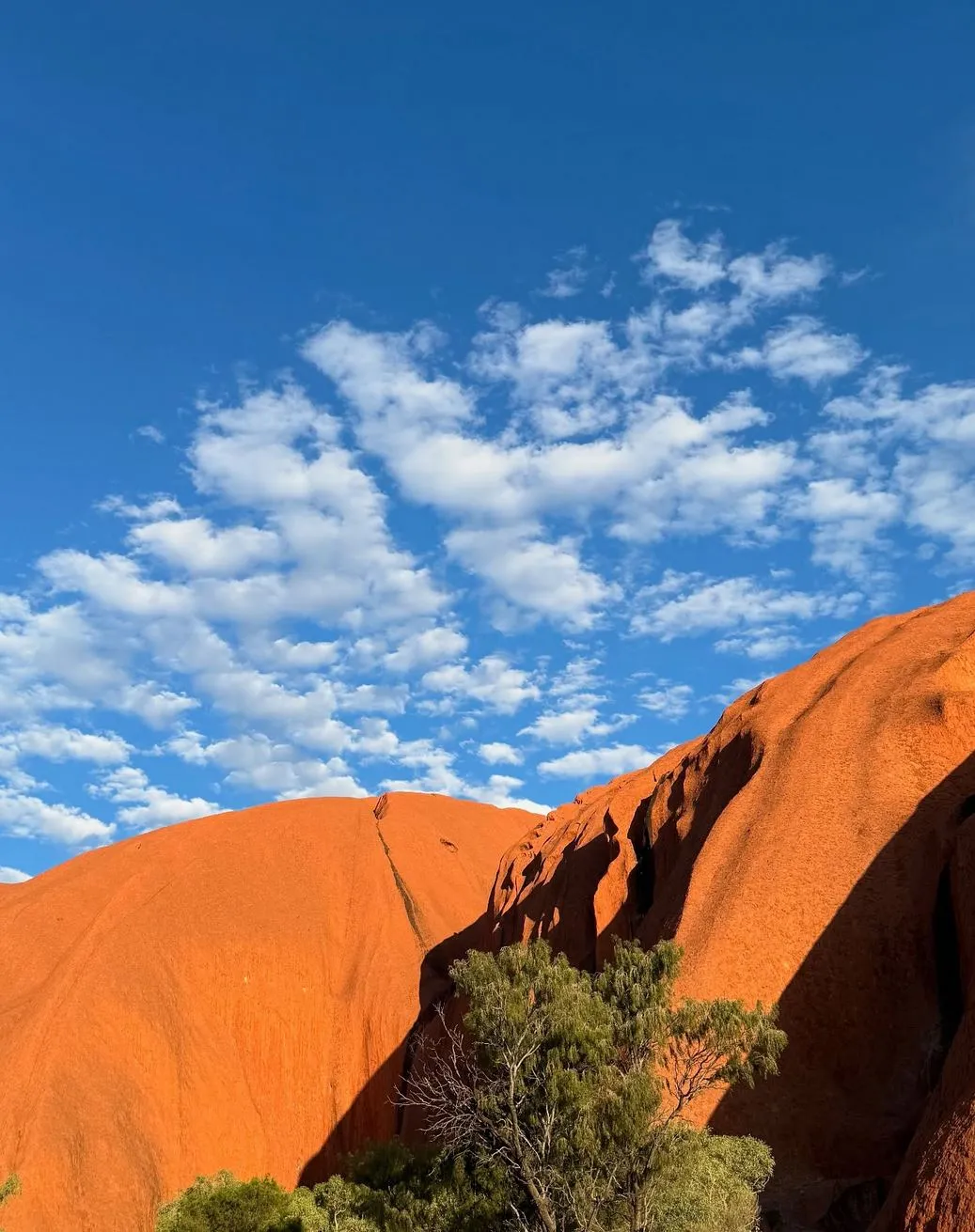
You’ve got two options – either buy online in advance and get it straight away, or pay at the entry station when you arrive. Honestly, I would recommend just doing it online so you don’t have to deal with the queues
Why Buy Online?
- It’s quick and easy, and you don’t have to worry about cash.
- You get a QR code in your email, which you just show at the entry station, and you’re good to go.
- And it saves you from getting stuck in the queues when the charter buses rock up.
Buying at the Entry Station
If you’re a bit of an old school kinda person, then you can still pay at the gate, but be warned – the heat out in the Red Centre doesn’t exactly care about your patience levels. Bring some water and a healthy dose of goodwill.
Pro tip: if you’ve got a 3-day Uluru tour booked with a licensed operator – such as Wildlife Tours or Wayoutback – double-check whether the park pass is included in the price. A lot of operators sort it all out for you, so you can just waltz on into the park without any hassle.
Family and Group Travel
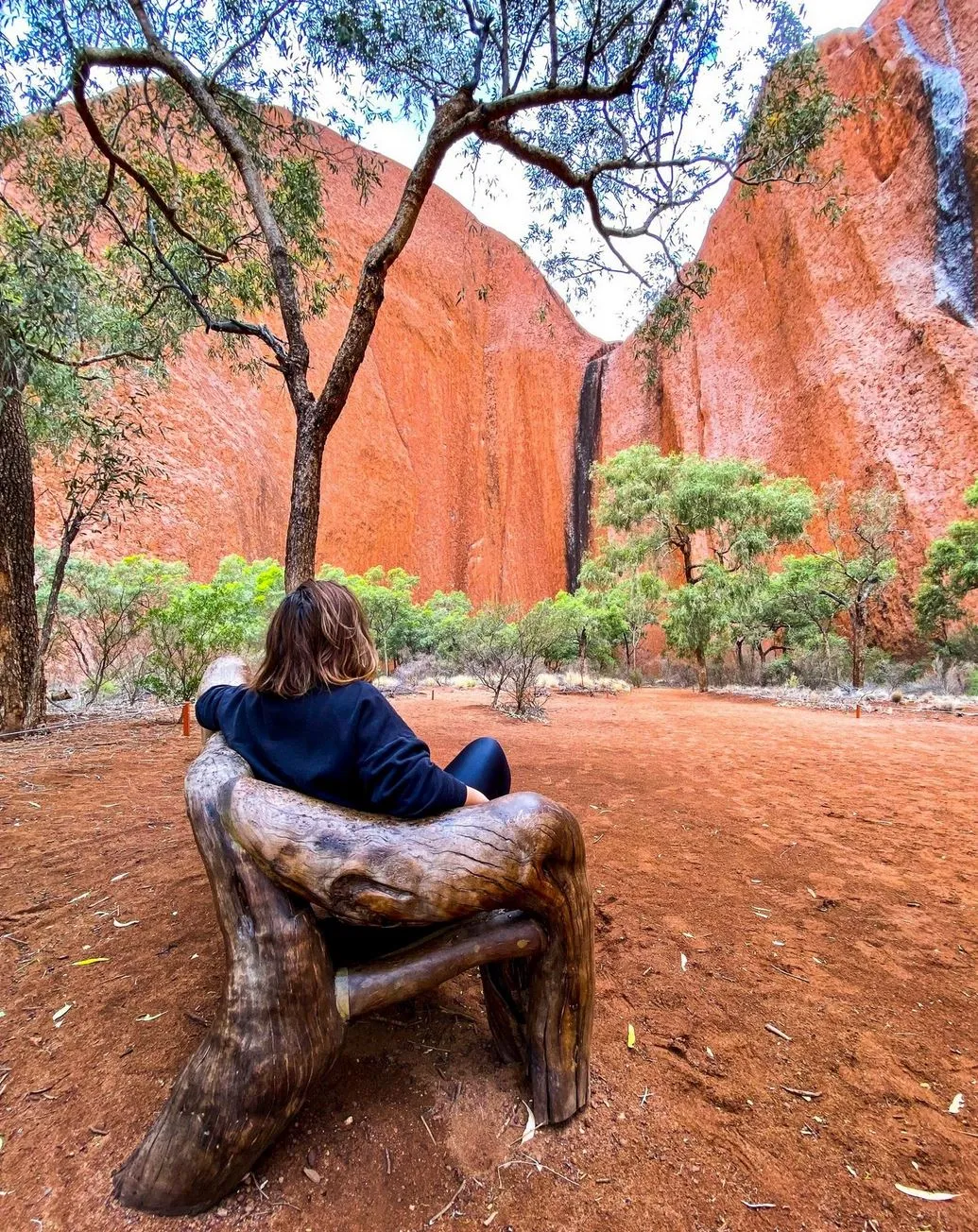
Taking the family on a holiday to Uluru doesn’t have to break the bank. With under-18s walking in for free, families get a fantastic deal on park passes – especially if you time it right.
Here’s how to make it easy:
- Buy one adult pass per adult (the kids get in for free – bonus!).
- If you’re planning a longer stay than 3 days, just go for the annual deal—it’s still loads cheaper than buying another pass.
- Get your accommodation sorted out early; Yulara fills up during school holidays — think about booking way in advance.
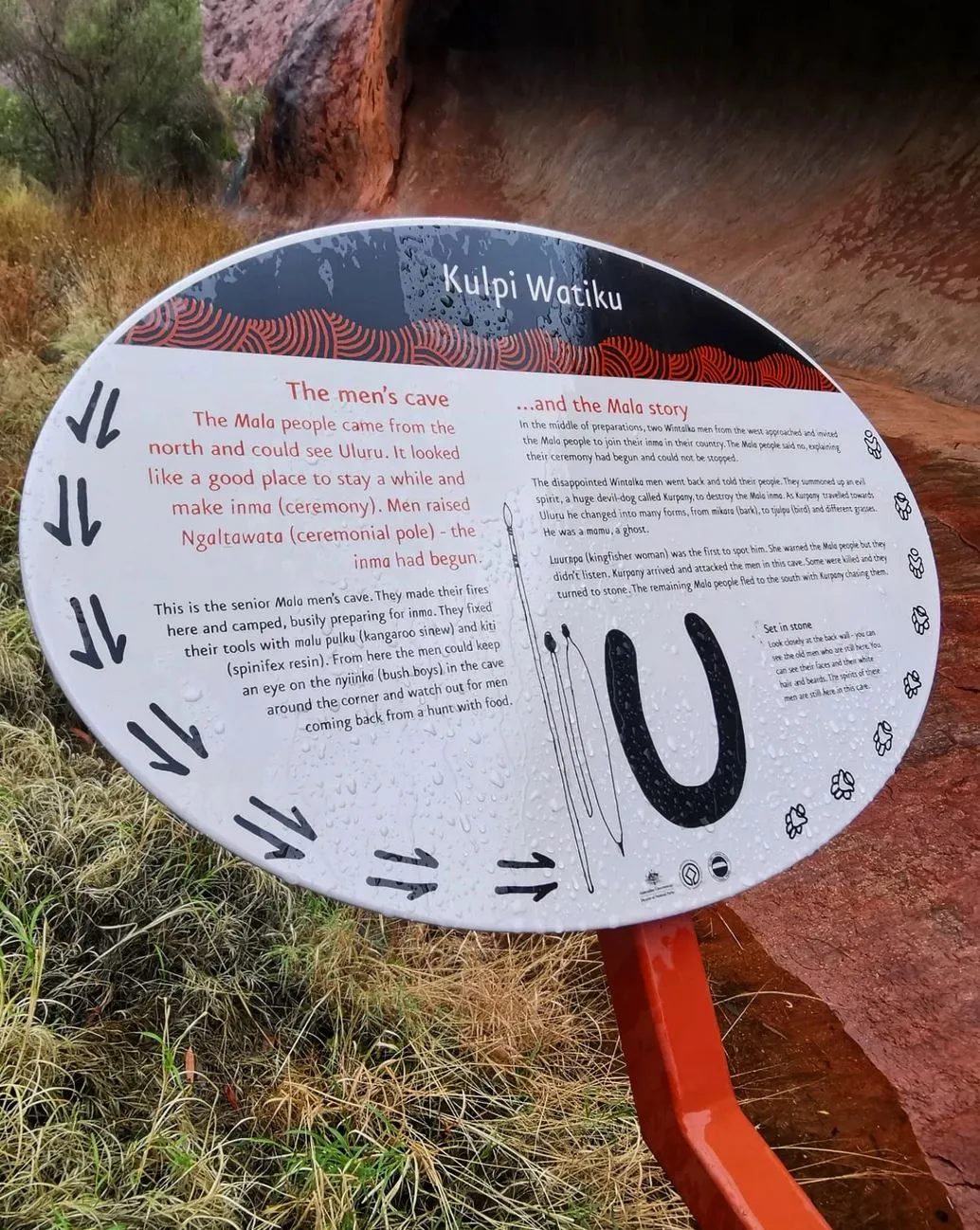
- Mix up your exploration with guided tours. A ranger-led Mala Walk is a real hit with the kids.
My kids & I joined a 3-Day Uluru Tour last dry season & the guides took care of everything – passes, transport, meals — while the kids just stared agog at the rock as the sun came up. Honestly, it’s one of those trips that’s gonna stay with them forever.
Annual Passes for Regulars
If you live in the NT or find yourself in the Red Centre more often than not, the annual pass at $50 is a pretty sweet deal. It’s also a good one for folks who are running multiple itineraries with local operators like Autopia Tours, who put on heaps of tours through the park each year.
The annual pass gets you unlimited entries for a year – perfect for the photographers chasing the light or the tour operators running back-to-back tours.
Just remember: it’s only good for Uluru–Kata Tjuta National Park, you’ll still need a separate pass for Kakadu, Litchfield or other NT parks.
Joining a Tour: The Upsides
There’s no shame in passing the driving on to someone else, especially when it’s 40 °C outside. Joining a guided tour like a 3-Day Uluru Tour is a no-brainer.
Operators such as Autopia, Wildlife, and Wayoutback take care of your park entry, accommodation, meals & expert guiding so you don’t have to lift a finger. You can chill out and just enjoy the view.
What’s usually included:
- Your park entry pass – no need to worry about that either.
- Transport – usually in an air-conditioned mini coach or a 4WD
- Meals & camping gear if you’re doing a camping trip;
- A visit or two to the Cultural Centre & the key lookouts
- Sunrise and sunset sessions with a local guide to show you the ropes
It’s also a great solution if you don’t have a car – public transport is pretty limited out here.
What is the Entry Station Experience Like
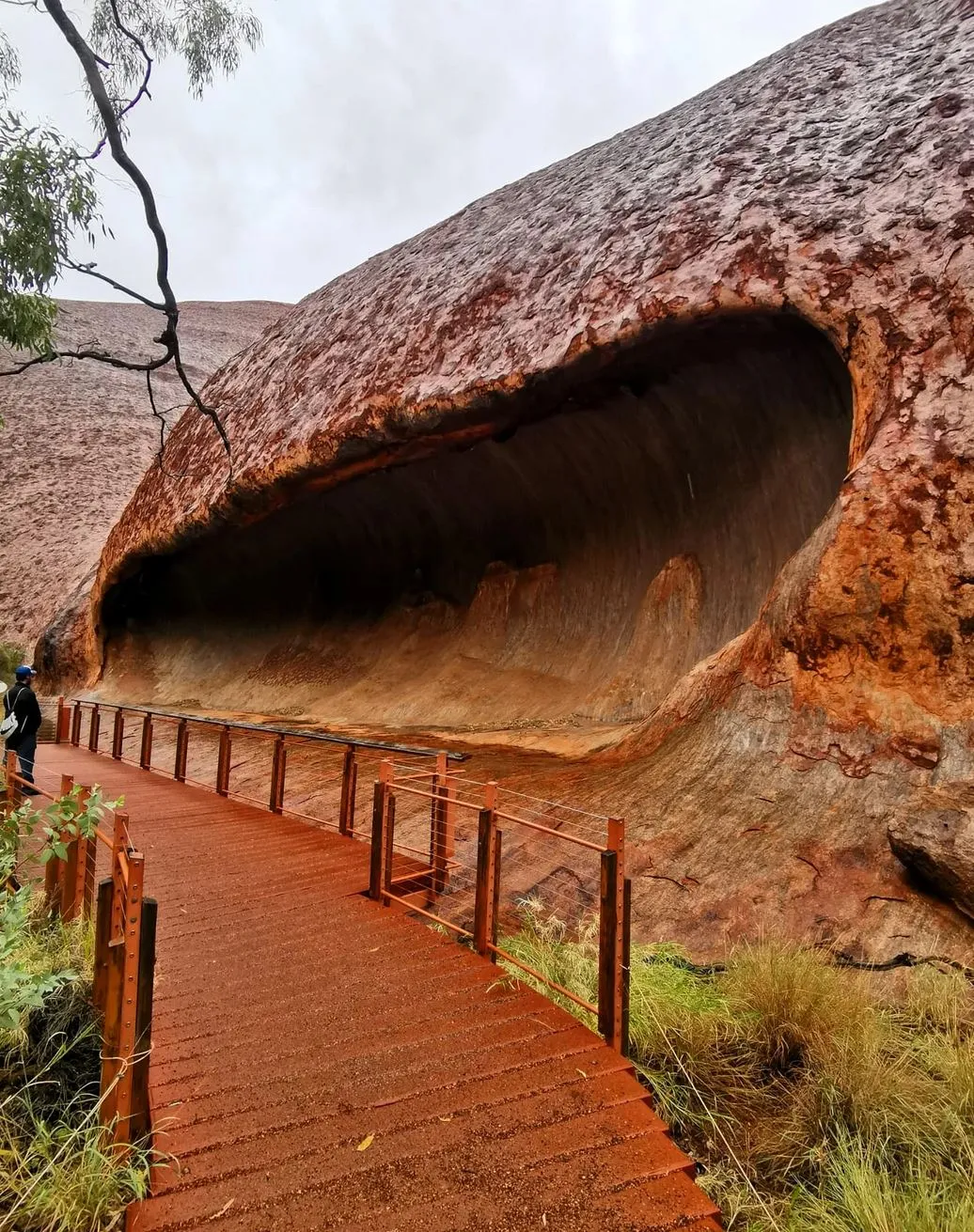
You’ll find the park’s entry station just a 10-minute drive from Yulara down the main road. It’s staffed every day when the park is open.
So what happens when you get there?
- You roll on up with your pass already paid for, or you can pick one up on the spot.
- The staff give your QR code a scan and give you a warm welcome – or sometimes it’s a slightly dusty one depending on the day.
- And then you’re good to go for 3 whole days.
- If you’re part of a group with Wayoutback Tours, then the bus driver usually looks after scanning for the whole coach – you might not even need to get off the bus.
Supporting the Cultural and Natural World
The money you spend on a park pass doesn’t just go on nothing – every last dollar of it goes to preserving something truly irreplaceable. Uluru–Kata Tjuta isn’t just a big rock ( although it is a pretty big one ) – it’s a living, breathing landscape for the Aṉangu people.
Your pass helps fund things like:
- Paying for cultural rangers to show us around and all the like
- Getting out to preserve sacred rock-art sites that are just incredible
- Weeding out weeds and pests and managing the odd bushfire
- Fixing trails after a weather event
I was lucky enough to join an Aṉangu-led talk on bush foods on my last visit – one of the most mind-blowing experiences of my 20 years of travelling. It’s the cultural insights that make the entry fees worthwhile.
Travel Packages and Working Out the Costs
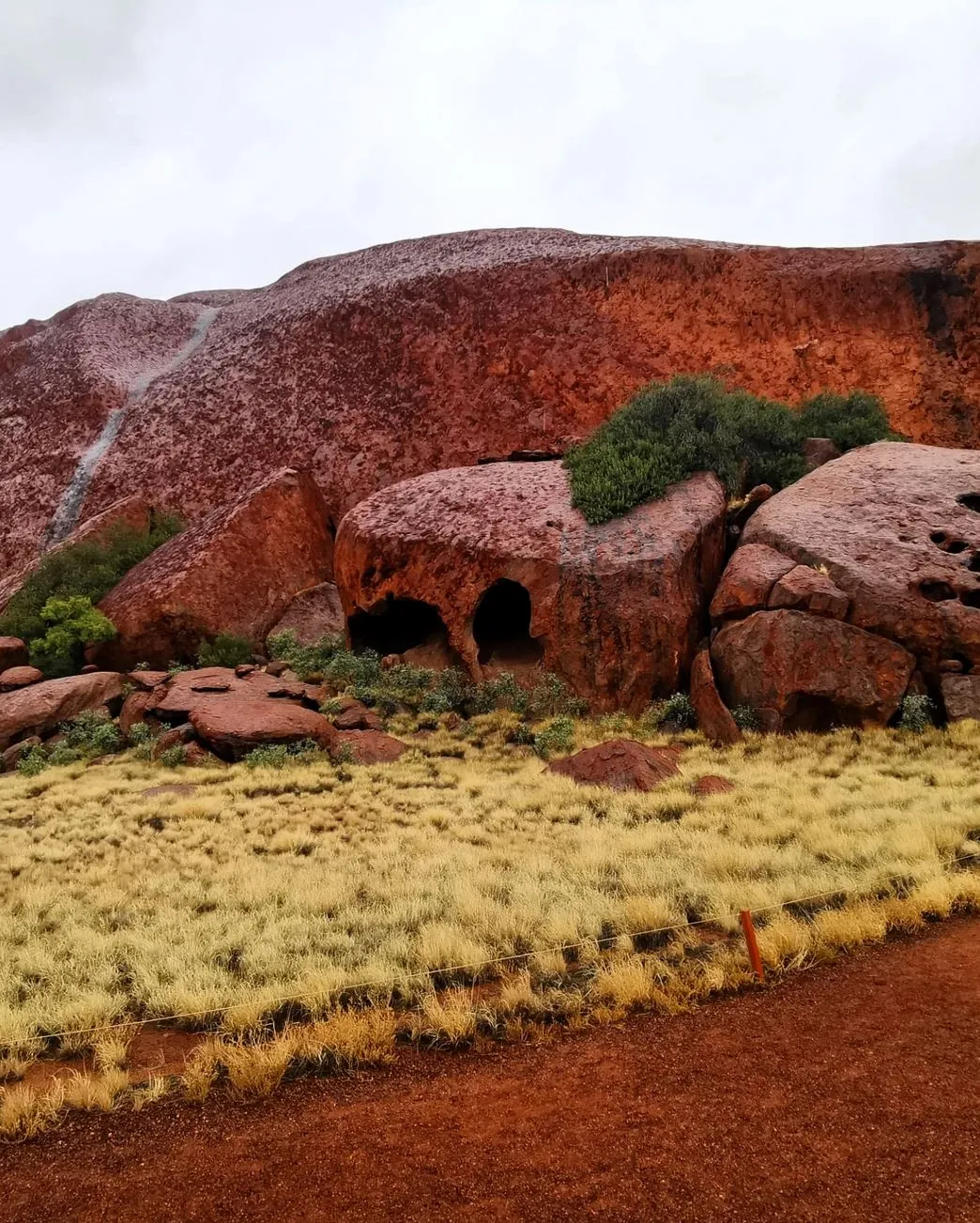
If you’re trawling through travel packages, be sure to check if the park pass is included upfront. Some of the bigger operators will include it, so you don’t get any nasty surprises later.
Here’s a simple way to think about what you’re getting for your money:
| Cost Component | Average Range (AUD) | Notes |
|---|---|---|
| Park Pass (3 days) | 38 – 50 | Depends on duration |
| Guided 3-Day Tour | 650 – 950 | Includes pass, meals, and camping |
| Accommodation (per night, Yulara) | 180 – 400 | Seasonal rates |
| Fuel (return Alice Springs) | 220 – 280 | 460 km each way |
| Meals & Snacks | 50 – 80/day | Allow for remoteness |
If you go with a 3-Day Uluru Tour, you’ll save on logistics — especially transport and meals — while still supporting tourism operators who live and work in the region.
Getting Around: Public Transport & Charter Buses
There’s no regular city-style public transport here, so plan carefully.
- Self-drive: Easiest for flexibility; you’ll pass the entry station yourself.
- Charter buses: Connect Alice Springs, Kings Canyon, and Uluru. The driver scans everyone’s passes.
- Tour coaches: All-inclusive packages like Wildlife Tours or Autopia Tours handle logistics from start to finish.
Big tip: don’t underestimate distances. The Red Centre looks compact on the map, but those kilometres stretch like chewing gum in the heat.
Respecting the Land: Cultural Etiquette
It’s a privilege to visit Uluru, not a right. Respecting the park’s cultural resources means following signage, staying on designated trails and recognising that certain areas are sacred.
Don’t climb Uluru — it’s closed for climbing and for good reason. Instead, walk the base trail, visit the Cultural Centre or join a local expert for a guided talk.
One of my favourite moments was watching visitors learn about Tjukurpa (Dreaming stories) with an Aṉangu elder — a humbling reminder that these landscapes hold far more meaning than what you see through a lens.
Best Time to Visit
The Red Centre doesn’t do “mild”. It’s hot in summer and cold enough to freeze your socks in winter. For most people, May to September — the dry season — is the best time.
If you’re doing a 3-Day Uluru Tour, that’s the sweet spot for walking without melting. You’ll have cool mornings, stunning sunsets and fewer mozzies.
Wet season travel (Nov–Mar) can still work — fewer crowds, cheaper accommodation — but expect storm closures and the occasional biblical downpour. Always check with Parks Australia before you head out.
On the Ground Tips
- Print and digital: Keep your pass in both formats in case of tech issues.
- Start early: Beat the crowds and heat; sunrise is magic here.
- Fuel up: The next servo might be 200 km away.
- Stay hydrated: The outback will humble you faster than a flat tyre on the Stuart Highway.
- Respect signs: If an area says “no photos”, it means exactly that. And don’t forget insect spray — mozzies in the Red Centre can fly in formation like fighter jets.
It’s Worth Every Cent
You might wonder why you’re paying $38 for three days in the desert. But here’s the truth: few national parks in the world have this much natural beauty, cultural depth and visitor access for so little.
That fee keeps the park open, safe and authentic — and supports hundreds of locals working in tourism operators, ranger teams and community projects. Without it the park’s cultural resources and visitor infrastructure wouldn’t exist at the level we have today.
Final Reflection: Paying It Forward
Decades spent showing people the ropes through the Outback have left me with no doubt – Uluru-Kata Tjuta is worth going the extra mile for. Whether you plump for a guided 3-day trip with Autopia, hop on a coach with Wildlife Tours, or do it all on your own, all that cash for the park pass comes back to you in bucketloads of unforgettable moments.
So get your pass sorted, plot your route, and leave some space for the slow stuff – a rock bathed in sunset glow, a quiet cuppa at camp, or a chat with a ranger. This place is more than just another national park; it’s the very heart of the stories that make Australia, Australia.
See you stomping through the red dust.
— Paul Beames
FAQ
Is the Uluru-Kata Tjuta park pass only good for this park?
No, it’s not. Each park is run separately, either by Parks Australia or Northern Territory Parks. So you’ll need separate passes if you want to visit Kakadu, Litchfield, or any of the other places.
How long is the 3-day pass actually valid for?
It’s valid for three whole days from the first time you put it to use, not 72 hours. So be sure to check the date on your calendar if you’re working on a tight schedule.
Are kids still free?
Yes, they are – anyone under the age of 18 gets in for free, which makes it a pretty good deal for families.
Can I buy the park pass if I’m on a tour?
Yep, most of the big tour operators – including Wayoutback Tours, Autopia Tours, and Wildlife Tours – include the pass in their package prices, so you don’t have to think about it.
Will prices go up in 2025?
There’s no word on that just yet – as it stands, there’s no plan to increase the cost, but Parks Australia tend to review the prices from time to time. It’s always best to check the official website before you set off on your trip.